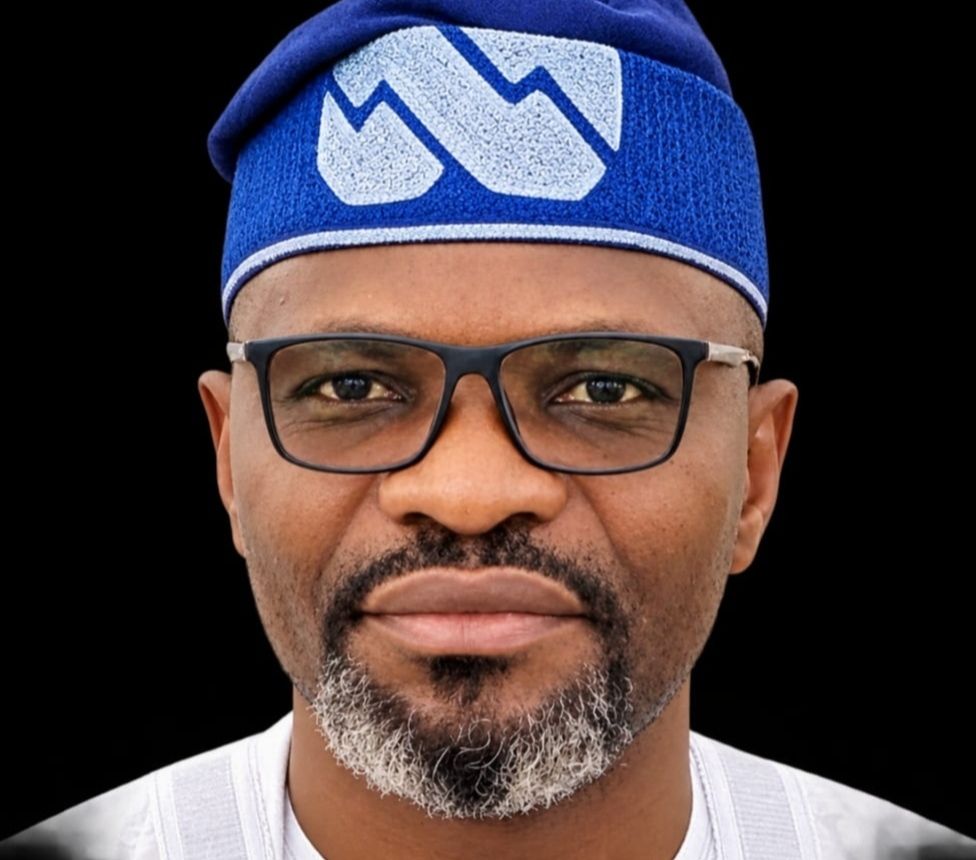
AbdulHakeem Adejumo-Ajeseku Prays for Tinubu’s Success, Commends Key Reforms, Urges Action on Hardship and Calls for National Unity.
By AbdulHakeem Mutiu Adejumo-Ajeseku, Kaduna, Nigeria
BTvNEWS | Wednesday, October 14, 2026
Comrade AbdulHakeem Mutiu Adejumo-Ajeseku, a journalist, political analyst and public affairs commentator, has offered prayers for President Bola Ahmed Tinubu, urging him to consolidate his administration’s achievements, address persistent governance challenges and intensify efforts to improve the living conditions of Nigerians as the country approaches the 2027 general elections.
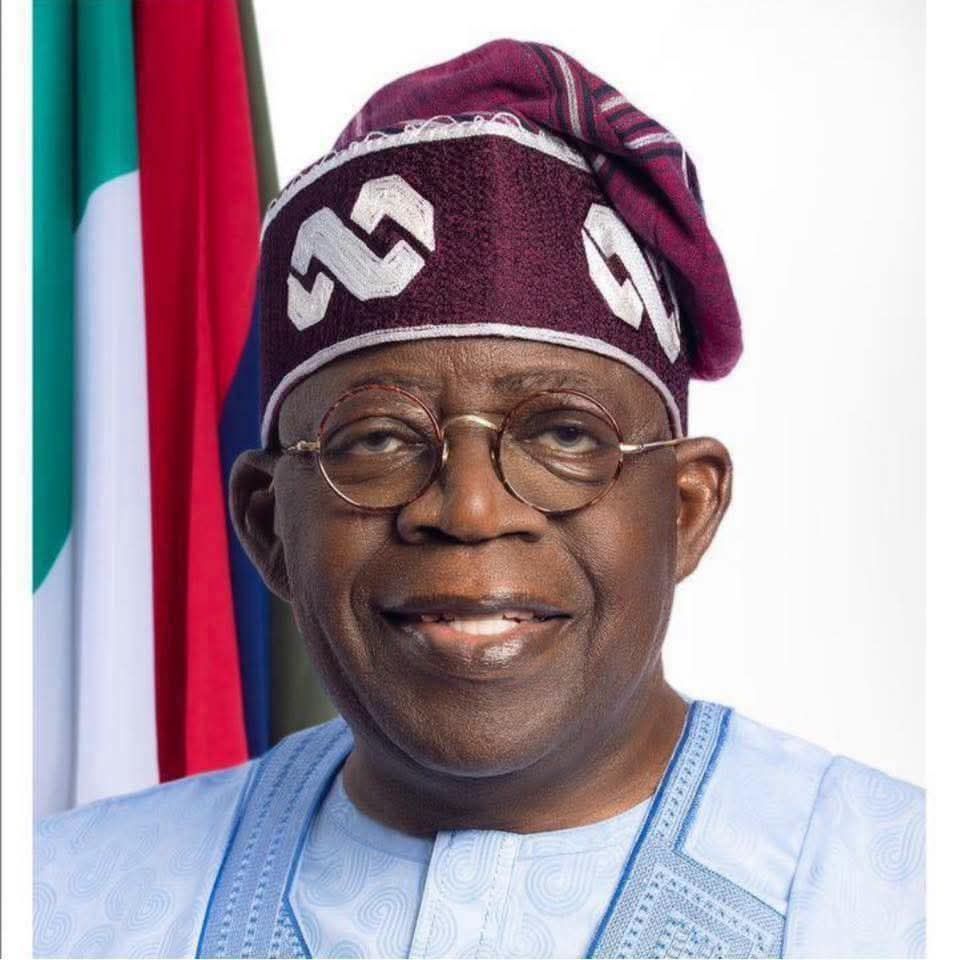
Adejumo-Ajeseku prayed that Allaah the Most High would guide President Tinubu aright, grant him wisdom and strength, and enable him to sustain success throughout his tenure as President of the Federal Republic of Nigeria.
He also called on the President to consolidate the gains of his administration, correct identified shortcomings and pursue policies that deliver tangible benefits to Nigerians across all regions, irrespective of ethnicity, state of origin, religion or creed.
REFORMS AND ACHIEVEMENTS WORTH CONSOLIDATING
Acknowledging some of the notable initiatives and policy changes introduced under the Tinubu administration since May 2023, Adejumo-Ajeseku highlighted economic reforms, infrastructure development, efforts to strengthen domestic petroleum refining capacity, student financing initiatives and investments in transportation and other critical sectors.
He noted that the removal of the petrol subsidy and the unification of the foreign exchange market represent major policy decisions intended to address longstanding structural weaknesses in the Nigerian economy.
However, he acknowledged that these measures have contributed to significant economic adjustments and placed considerable financial pressure on households and businesses, emphasising that the government must ensure that the intended long-term benefits of the reforms translate into tangible improvements in citizens’ lives.
The Tinubu administration has also pursued major highway projects, including the Lagos–Calabar Coastal Highway and the Sokoto–Badagry Super Highway, alongside other road and railway infrastructure initiatives intended to improve connectivity, facilitate trade and stimulate economic activities.
In the education sector, the Nigerian Education Loan Fund (NELFUND) has introduced financing opportunities for eligible students who might otherwise struggle to meet the costs of higher education.
Similarly, increased domestic petroleum refining capacity presents opportunities to reduce dependence on imported petroleum products, conserve foreign exchange and strengthen Nigeria’s energy security.
According to Adejumo-Ajeseku, these initiatives provide important foundations upon which the Federal Government can build, provided their implementation remains transparent, accountable, inclusive and responsive to the needs of ordinary Nigerians.
He stressed that the long-term success of these initiatives would depend not only on their implementation but also on their measurable impact on economic growth, employment, household welfare and national development.
PRESIDENT TINUBU MUST DO MORE TO EASE THE PEOPLE’S BURDEN
While acknowledging the administration’s policy initiatives, Adejumo-Ajeseku stressed that the existence of reforms and ongoing projects must translate into measurable improvements in the daily lives of Nigerians.
He observed that high food prices, rising transportation costs, unemployment, insecurity, inadequate electricity supply and mounting financial pressures continue to affect households, small businesses, farmers, traders and young people across the country.
He therefore urged President Tinubu to intensify efforts to reduce the cost of living, create sustainable employment opportunities, improve access to affordable healthcare and quality education, strengthen agricultural productivity and ensure a more reliable electricity supply.
He further called for stronger social protection mechanisms to support vulnerable households, particularly low-income earners, pensioners, persons with disabilities, unemployed graduates and families struggling to meet their basic needs.
According to him, economic growth should not be measured exclusively by improvements in government revenue, foreign exchange reserves or financial market performance. Rather, it should also be reflected in citizens’ purchasing power, the affordability of essential goods and services, the availability of decent jobs and the ability of families to live with dignity.
He urged the President to ensure that the benefits of economic reforms reach communities at the grassroots, stressing that ordinary Nigerians must experience meaningful relief from the sacrifices associated with the government’s policies.
Adejumo-Ajeseku maintained that a government committed to national progress must continually evaluate its policies, listen to citizens’ concerns and introduce corrective measures whenever existing approaches fail to produce the desired results.
A CALL FOR A STRONGER GOVERNANCE MECHANISM
Adejumo-Ajeseku also called on the Tinubu administration to establish and strengthen practical mechanisms for identifying, monitoring and resolving the challenges confronting Nigerians.
He advocated a transparent, measurable and people-centred governance framework that would regularly assess government performance, track the implementation of policies and projects, and ensure that public resources produce verifiable results.
He urged the Federal Government to strengthen consultations with state governments, local government authorities, organised labour, the private sector, civil society organisations, traditional institutions, religious leaders, youth groups and other relevant stakeholders.
He maintained that broader stakeholder engagement would enable the government to understand the realities facing different communities, identify gaps in policy implementation and develop more effective solutions to national problems.
On security, Adejumo-Ajeseku emphasised the importance of strengthening security operations, improving intelligence gathering, addressing the underlying causes of violent crime and ensuring that communities affected by terrorism, banditry, kidnapping and other criminal activities receive adequate protection.
He further stressed that the Federal Government must continue to prioritise the protection of lives and property while promoting justice, accountability and public confidence in national institutions.
He also called for a sustained fight against corruption, waste and the misuse of public resources, insisting that every naira allocated to public projects must be properly accounted for and directed towards the public good.
According to him, strengthening institutional accountability and ensuring transparency in public expenditure would help restore public confidence, improve service delivery and guarantee that government resources are used for their intended purposes.
2027: CONTINUITY WITH ACCOUNTABILITY AND CORRECTION
As political activities gradually gather momentum ahead of the 2027 general elections, Adejumo-Ajeseku called on Nigerians to evaluate the Tinubu administration’s record, weigh its achievements against its shortcomings and make informed decisions about the country’s political future.
He expressed support for President Tinubu’s re-election bid, urging Nigerians who believe that the administration’s achievements and ongoing programmes deserve an opportunity for consolidation to consider voting for him in 2027.
He argued that continuity, where justified by performance and the national interest, could provide an opportunity to complete ongoing projects, deepen beneficial reforms and correct identified weaknesses in governance.
However, he clarified that supporting the President’s re-election should not be interpreted as an endorsement of every government policy or a rejection of legitimate criticism.
Rather, he maintained that a second term, if secured, should be accompanied by greater responsiveness, improved policy implementation, stronger accountability and more visible dividends of democracy.
He urged Nigerians to demand better performance from their leaders while participating peacefully, responsibly and actively in the democratic process.
Adejumo-Ajeseku further stressed that the 2027 elections should not be reduced to divisions based on tribe, ethnicity, state of origin, religion or creed.
Instead, he advocated a national conversation centred on competence, integrity, security, economic opportunity, social justice, national unity and the ability of political leaders to improve the lives of citizens.
He maintained that Nigeria’s diversity should be a source of strength rather than a basis for political exclusion, emphasising that every Nigerian deserves equal consideration, protection and opportunity under the law.
According to him, national development requires collective responsibility, constructive political engagement and a willingness among citizens to prioritise the country’s long-term interests above narrow ethnic, religious and regional considerations.
A PRAYER FOR WISDOM, GUIDANCE AND SUCCESS
Concluding his message, Adejumo-Ajeseku offered a special prayer for President Tinubu, expressing hope that divine guidance would strengthen his leadership and inspire decisions that advance the welfare of Nigerians.
He prayed:
“May Allaah the Most High guide you aright, grant you success, and enable you to sustain that success throughout your tenure as the President of the Federal Republic of Nigeria. May He continue to grant you wisdom, strength, sound judgment and divine guidance to lead the nation with distinction and accomplish your noble aspirations. Aameenah, Kun Fa-Yakun, Bi-Jaahi Sayyidil Wujuud.”
He expressed the hope that the President would remain committed to national service, listen to the concerns of citizens, correct shortcomings where necessary and pursue policies that promote peace, prosperity and inclusive development.
He also urged Nigerians to contribute positively to nation-building by promoting peaceful coexistence, rejecting divisive rhetoric, holding public officials accountable and participating responsibly in the democratic process.
Adejumo-Ajeseku maintained that prayers for the President’s success should go hand in hand with constructive engagement, responsible leadership and a genuine commitment to improving the welfare of the people.
THE PEOPLE MUST FEEL THE IMPACT OF GOVERNANCE
Adejumo-Ajeseku maintained that Nigeria’s progress requires a combination of visionary leadership, effective policy implementation, responsible citizenship and a sustained commitment to the common good.
He urged the Tinubu administration to consolidate its achievements while addressing the economic, security and social challenges that continue to test the resilience of Nigerians.
He emphasised that the ultimate measure of successful governance is not merely the number of policies announced or projects initiated, but the extent to which those policies improve people’s lives, strengthen public institutions and create a more secure and prosperous future for the next generation.
As the nation approaches the 2027 general elections, he called for a democratic process guided by the national interest, peaceful participation and a shared determination to build a Nigeria where every citizen, irrespective of background, can live in dignity and enjoy the benefits of good governance.
He reiterated his support for continuity where it serves the public interest, while stressing that such continuity must be accompanied by accountability, the correction of governance shortcomings and a stronger commitment to the welfare of all Nigerians.


Leave a Reply