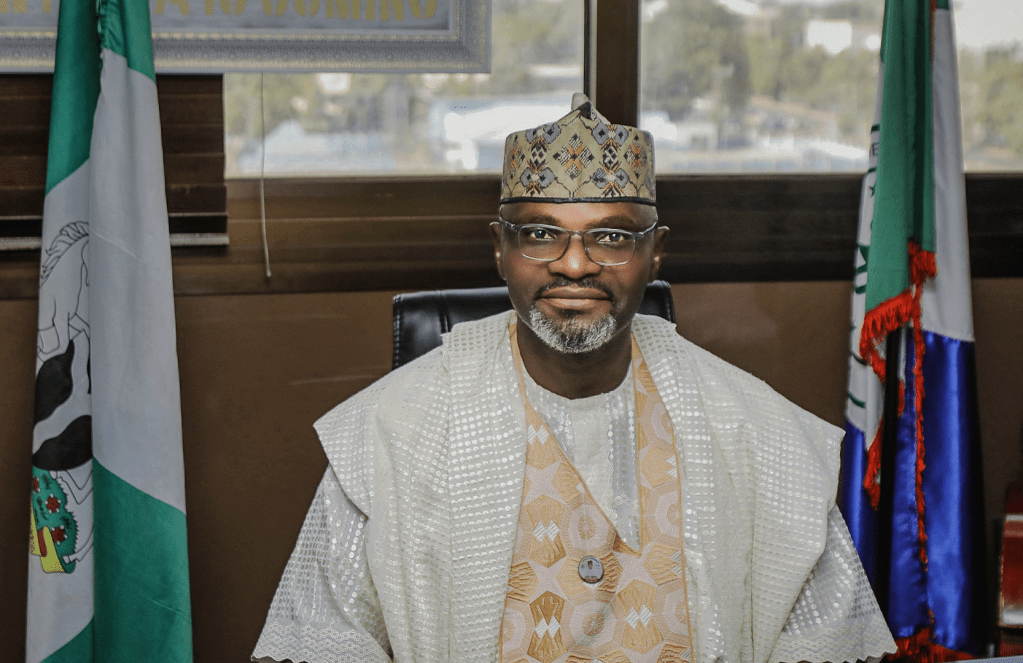
By AbdulHakeem Mutiu Adejumo-Ajeseku
CEO | Head of Communication Research and Strategies, BTV Online TV, Radio and Publication
Climate and Peacebuilding Reporters, Abuja, Nigeria
BtvNEWS: In an era marked by complex socio-economic challenges and emerging security concerns, the intersection of peacebuilding and human development has become more critical than ever. Sustainable peace is not merely the absence of conflict, but the presence of justice, equity, and opportunities that enable individuals and communities to thrive. Across Nigeria and beyond, the need to integrate peacebuilding frameworks into development strategies is gaining traction as policymakers, civil society, and global actors recognize that development cannot flourish in fragile environments.
Peacebuilding initiatives, when effectively implemented, address the root causes of conflict—ranging from poverty and inequality to marginalization and environmental stress. Human development, on the other hand, focuses on expanding people’s choices, improving access to education, healthcare, and livelihoods. The synergy between these two domains offers a pathway to long-term stability. Communities that are empowered with knowledge, economic opportunities, and inclusive governance structures are less likely to relapse into cycles of violence.
In Nigeria, particularly in regions grappling with insecurity and socio-economic disparities, the urgency of this integration cannot be overstated. Climate change, youth unemployment, and weak institutional frameworks continue to exacerbate tensions. As such, peacebuilding must extend beyond conflict resolution to include proactive measures such as climate adaptation, social inclusion, and community-driven development. These approaches not only mitigate risks but also foster resilience among vulnerable populations.
Civil society organizations and non-governmental organizations (NGOs) play a pivotal role in this ecosystem. Through grassroots engagement, advocacy, and capacity-building programs, they bridge the gap between policy and practice. Their efforts in promoting dialogue, empowering women and youth, and strengthening local institutions are indispensable. However, their impact can be significantly amplified through strategic partnerships, adequate funding, and supportive policy environments.
Government, at all levels, bears the ultimate responsibility of creating an enabling environment for peace and development to flourish. This includes investing in education, strengthening justice systems, promoting transparency, and ensuring equitable distribution of resources. Public policies must be inclusive and responsive to the needs of diverse populations, particularly those in marginalized and conflict-affected areas. Furthermore, collaboration with international partners and adherence to global best practices will enhance the effectiveness of national strategies.
As we navigate the complexities of the 21st century, the call to action is clear. Individuals must embrace tolerance, civic responsibility, and active participation in community-building efforts. Civil organizations and NGOs must scale up their interventions and foster collaborative networks. Governments must demonstrate political will and accountability in implementing inclusive policies. Together, these stakeholders can build a future where peace and human development are not aspirations, but lived realities.


 BTvNEWS
Leave a comment