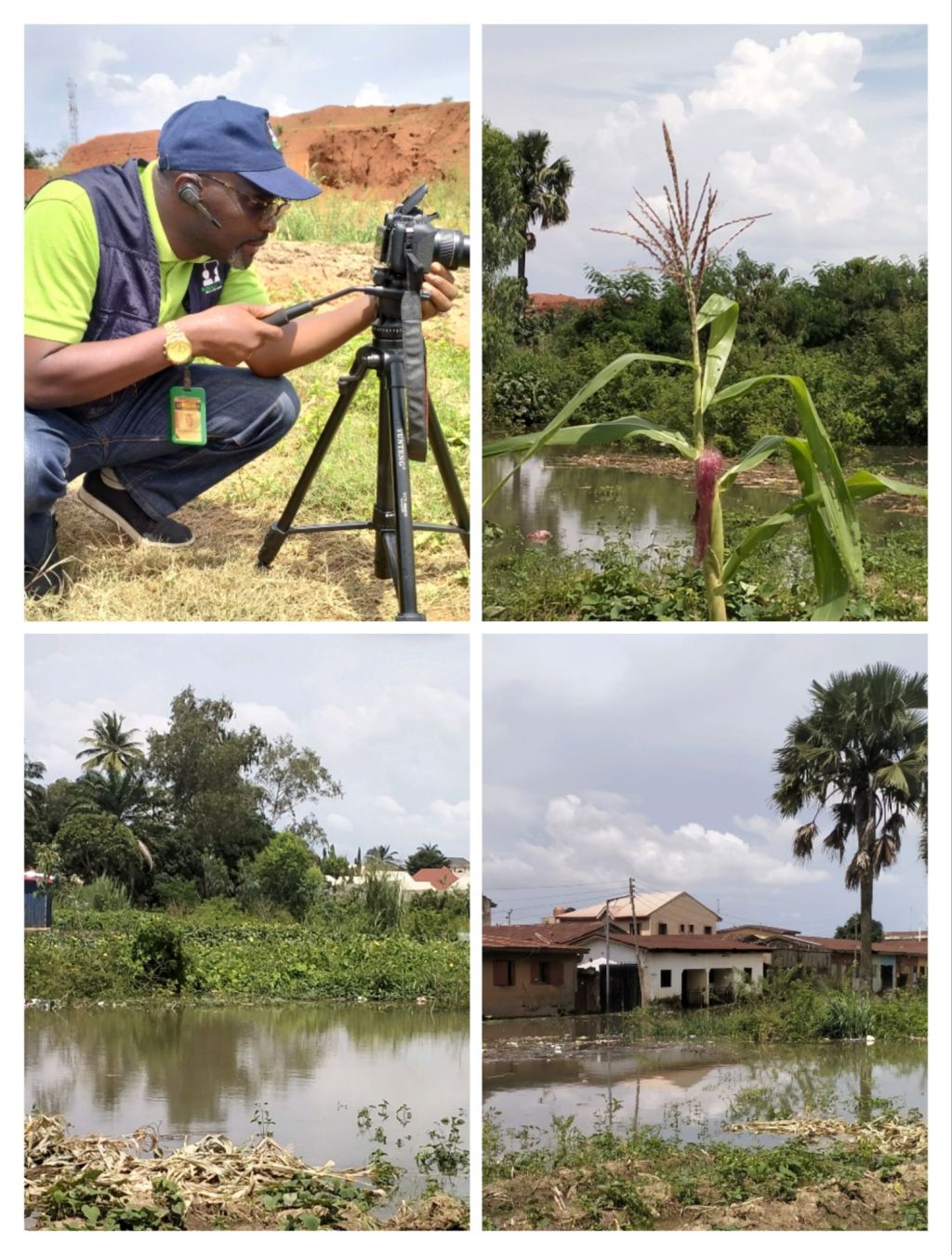
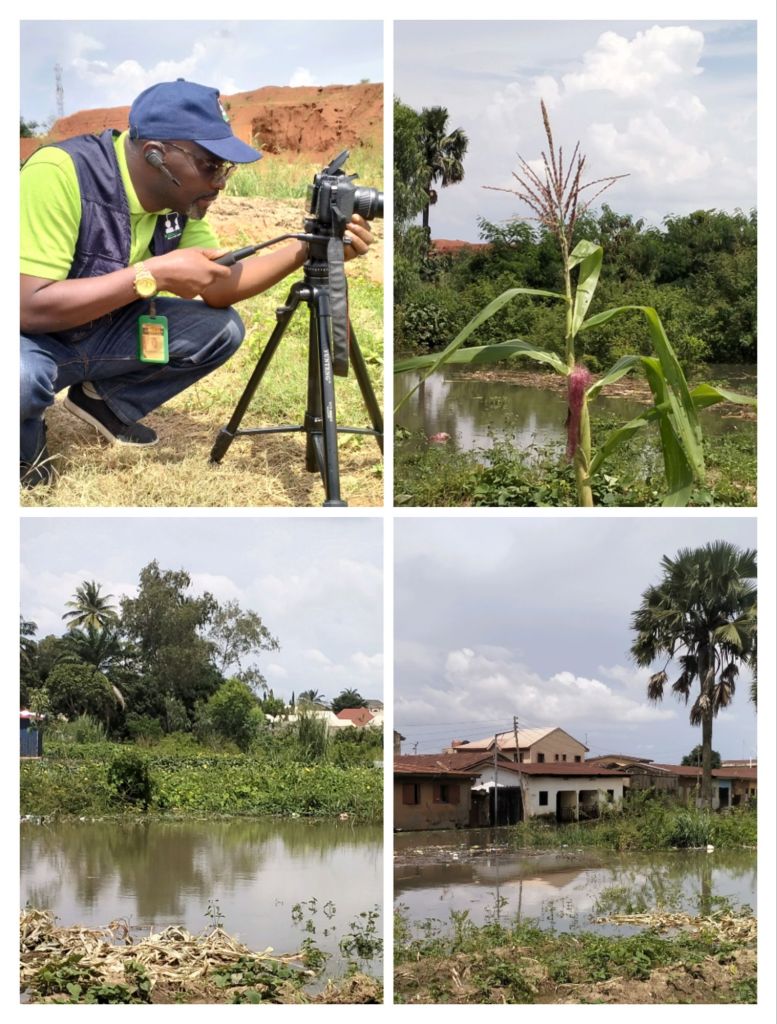
Exploring the Overlooked Consequences of Standing Water on Global Warming…
By AbdulHakeem Mutiu Adejumo-Ajeseku, Abuja-Nigeria
BTvNEWS: The relationship between stagnant water and climate change might seem like an obscure topic at first glance, but a deeper analysis reveals a complex interplay of environmental factors that contribute significantly to the acceleration of global warming.
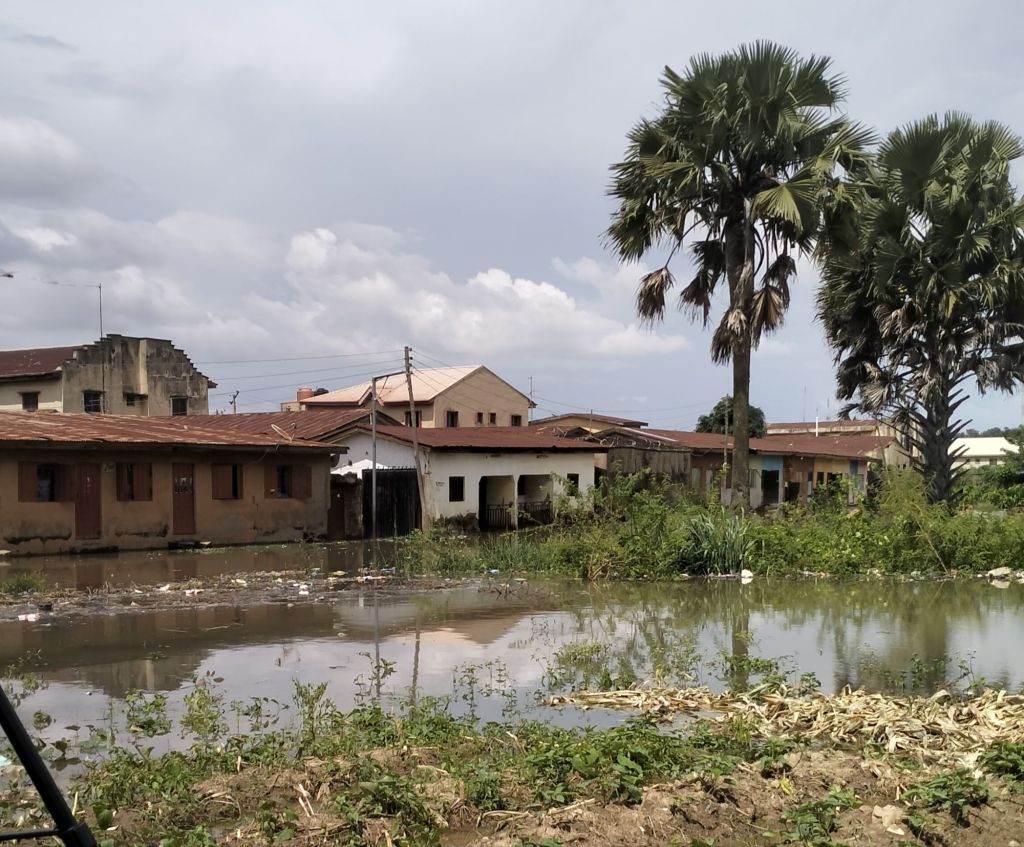
Stagnant water bodies, often found in urban and rural landscapes alike, serve as breeding grounds for mosquitoes and other pests and play a crucial role in the greenhouse gas emissions that exacerbate climate change.
Stagnant water, by its very nature, lacks the flow that typically characterizes healthy water bodies. This stagnation leads to a decrease in oxygen levels, creating an environment conducive to the production of methane, a potent greenhouse gas.
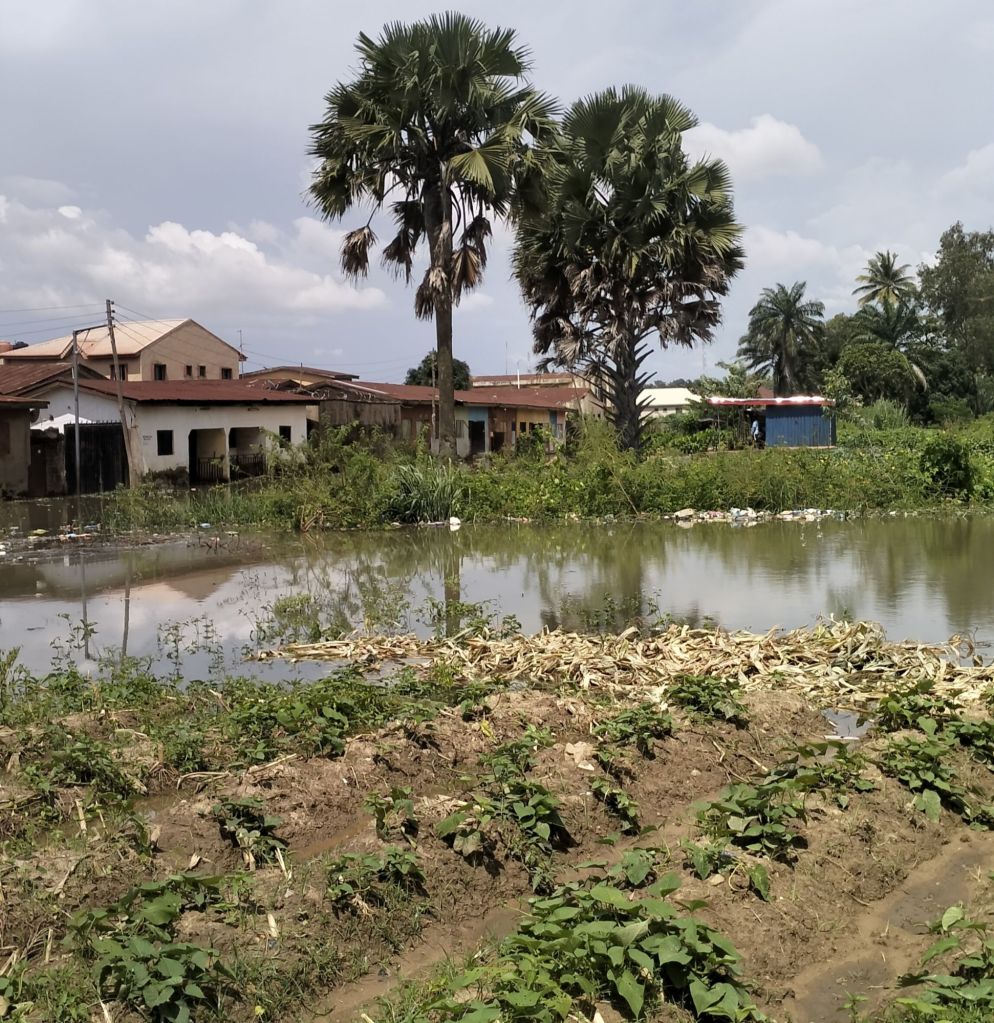
Methane’s global warming potential is significantly higher than that of carbon dioxide over a 100-year period, making the reduction of methane emissions a critical component of strategies aimed at mitigating climate change.
Moreover, stagnant water bodies can become hotspots for waterborne diseases, further straining public health systems and economies.
The health implications of stagnant water, coupled with its contribution to greenhouse gas emissions, underscore the need for comprehensive management strategies.
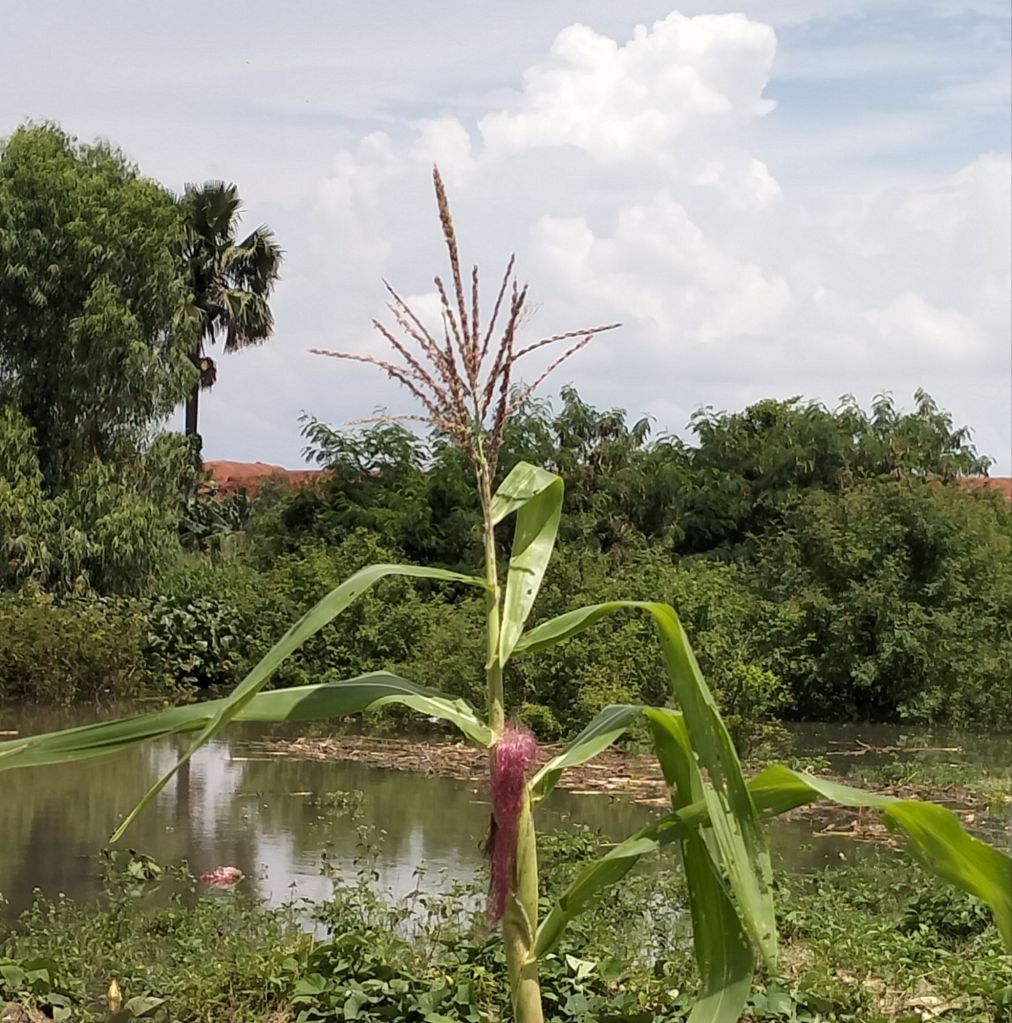
These strategies might include improving drainage systems, implementing water circulation techniques, and promoting community awareness about the importance of maintaining clean and flowing water bodies.
The impact of stagnant water on climate change is multifaceted, affecting not only the environment but also human health and economic stability.
As the world contends with the challenges of climate change, addressing the issue of stagnant water could provide a valuable opportunity for reducing greenhouse gas emissions and mitigating some of the worst effects of global warming.
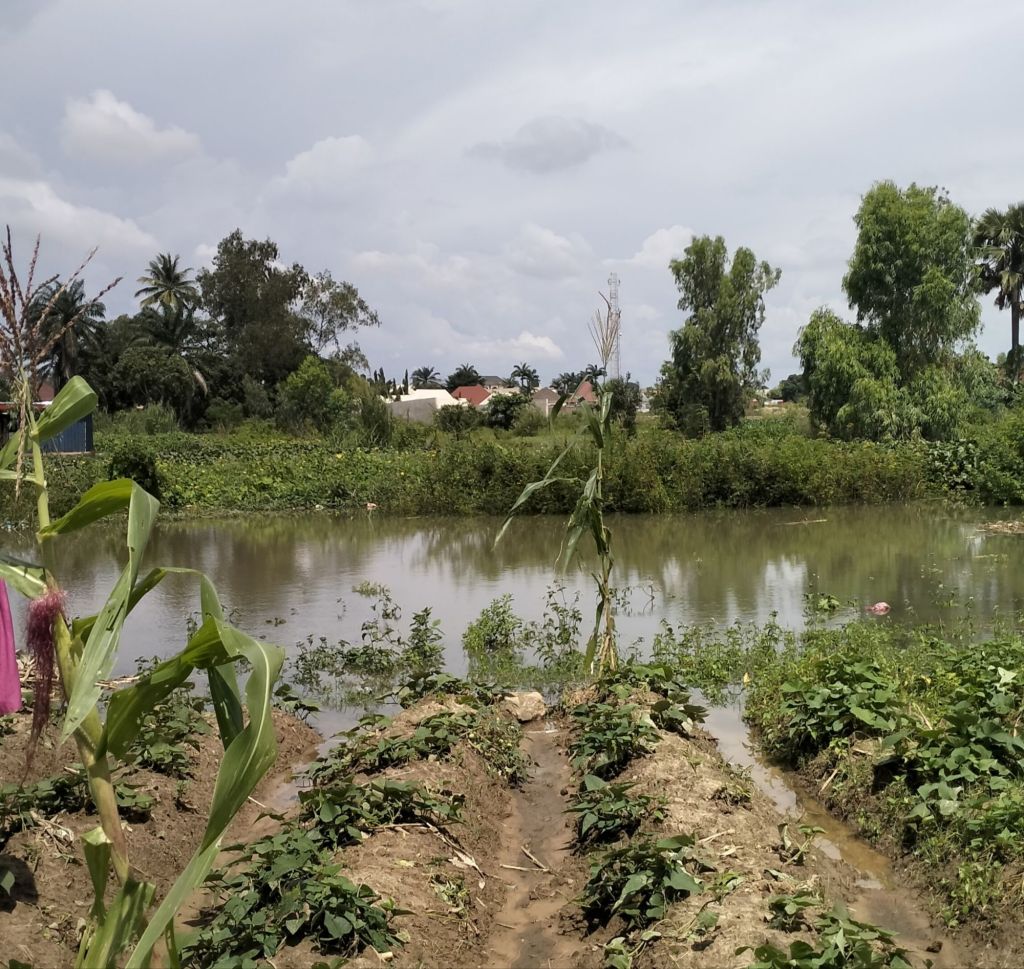
In conclusion, the negative effects of stagnant water on climate change are profound and warrant immediate attention.
By understanding the mechanisms through which stagnant water contributes to global warming and taking proactive steps to manage water resources more effectively, we can make significant strides in the fight against climate change.

About the Author:
Comrade AbdulHakeem Mutiu Adejumo-Ajeseku is a distinguished science, environmental, and investigative journalist with BTV (Online TV, Radio and Publication) – Climate and Peacebuilding Reporters, and African Climate Reporters (ACR).
He is also a member of the African Institute of Waste Management and Environmental Studies (AIWMES), a practicing farmer, and entrepreneur.
With expertise in reporting on science, environmental, peacebuilding and safety issues, he has established himself as a leading voice in Nigerian journalism, earning numerous commendations and awards for his impactful reporting.
About BTV (Online TV, Radio and Publication) – Climate and Peacebuilding Reporters:
BTV (Online TV, Radio and Publication) – Climate and Peacebuilding Reporters is a premier science, environmental, and investigative journalism platform in Nigeria, dedicated to advancing climate action, sustainability, environmental stewardship, and Peacebuilding.
Through in-depth reporting, analysis, and storytelling, the platform provides critical perspectives on pressing science, environmental, and safety issues, promoting informed decision-making, accountability, peacebuilding initiatives, and transparency.
BTV (Online TV, Radio and Publication) – Climate and Peacebuilding Reporters has become a trusted source of information and a catalyst for positive change.
Contact Information:
Mobile Numbers: +2348057278252, +2348082000298, +2348186974277, +2348065980566
Emails: btvnews.com@gmail.com; goldenmirrorcommunicationsltd@gmail.com; abdulhakeem.ajeseku002@gmail.com
 BTvNEWS
Leave a comment