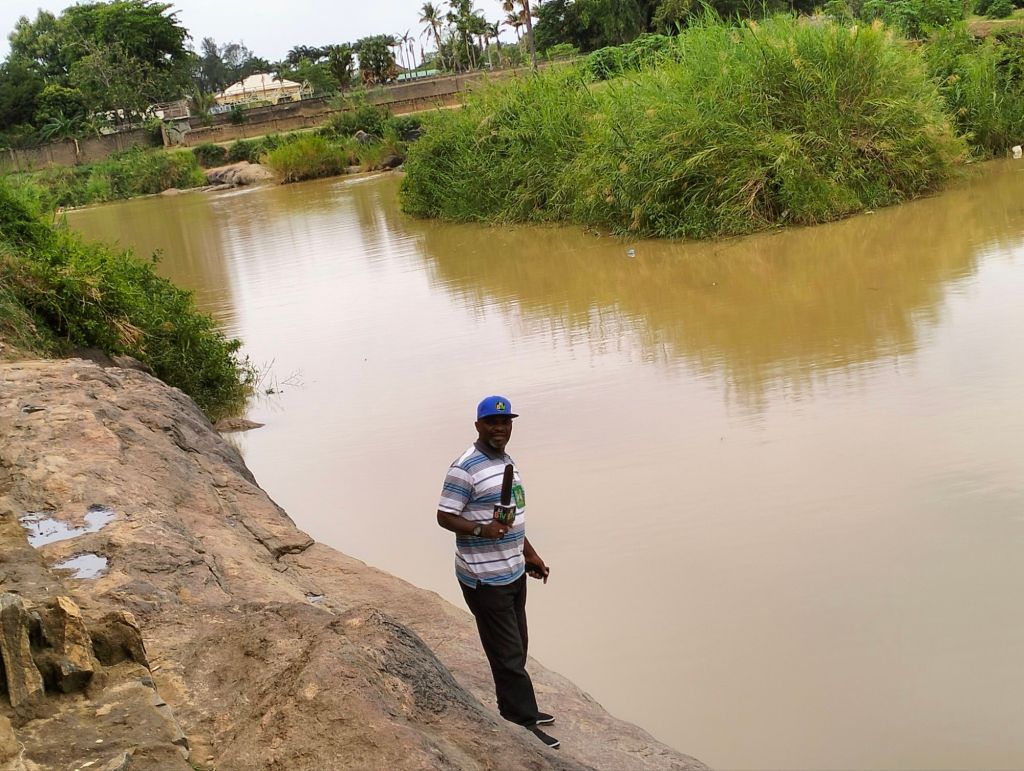
Unlocking the Environmental, Health, and Economic Potential of Nigeria’s Waterways…
By AbdulHakeem Mutiu Adejumo-Ajeseku, Kaduna-Nigeria
BTvNEWS: Rivers have been the backbone of human civilization for centuries, providing sustenance, transportation, and livelihoods for millions of people around the world. In Nigeria, rivers play a vital role in the country’s ecosystem, supporting a vast array of plant and animal life, while also serving as a source of freshwater, food, and income for countless communities.
Despite their importance, Nigeria’s rivers are often overlooked and underappreciated, with many facing significant threats from pollution, degradation, and climate change.
The environmental significance of rivers in Nigeria cannot be overstated. Rivers such as the Niger, Benue, and Osun support a rich biodiversity, with many species of fish, birds, and other aquatic life dependent on these waterways for survival.
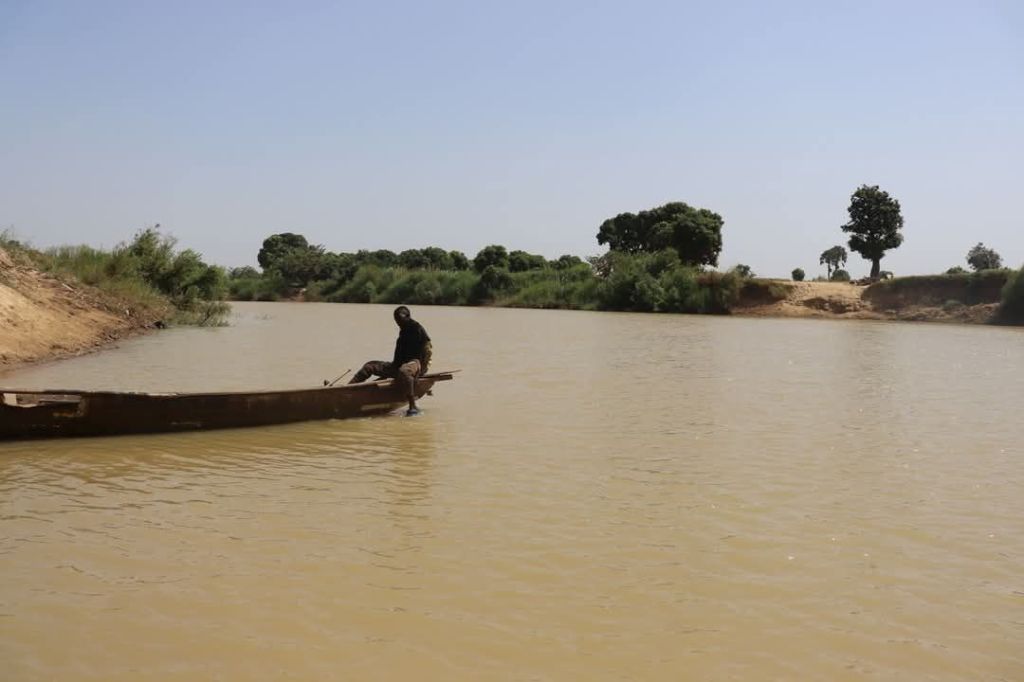
Rivers also help to regulate the climate, mitigating the effects of droughts and floods, while also providing a natural buffer against extreme weather events. However, the degradation of river ecosystems through pollution, deforestation, and other human activities threatens the very existence of these vital waterways.
In addition to their environmental importance, rivers in Nigeria also play a critical role in the health and wellbeing of local communities. Rivers provide a source of freshwater for drinking, cooking, and personal hygiene, with many communities relying on these waterways for their daily needs.
However, the pollution of rivers through industrial and agricultural activities poses a significant risk to public health, with many Nigerians suffering from waterborne diseases such as cholera and typhoid.
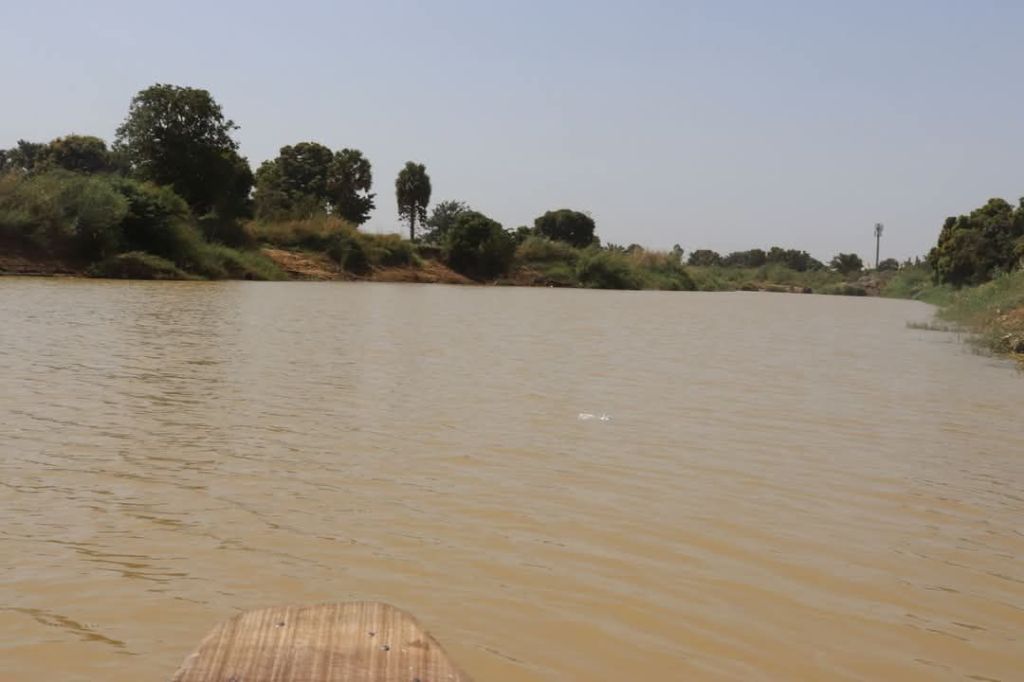
The economic significance of rivers in Nigeria is also substantial. Rivers provide a source of income for many communities through fishing, agriculture, and other water-based activities.
The Niger River, for example, supports a thriving fishing industry, with many communities relying on the river for their livelihoods. Rivers also facilitate trade and commerce, with many goods and services transported along Nigeria’s waterways.
Despite the many benefits provided by rivers in Nigeria, these waterways are facing significant threats. Pollution from industrial and agricultural activities is a major concern, with many rivers contaminated with toxic chemicals and waste.
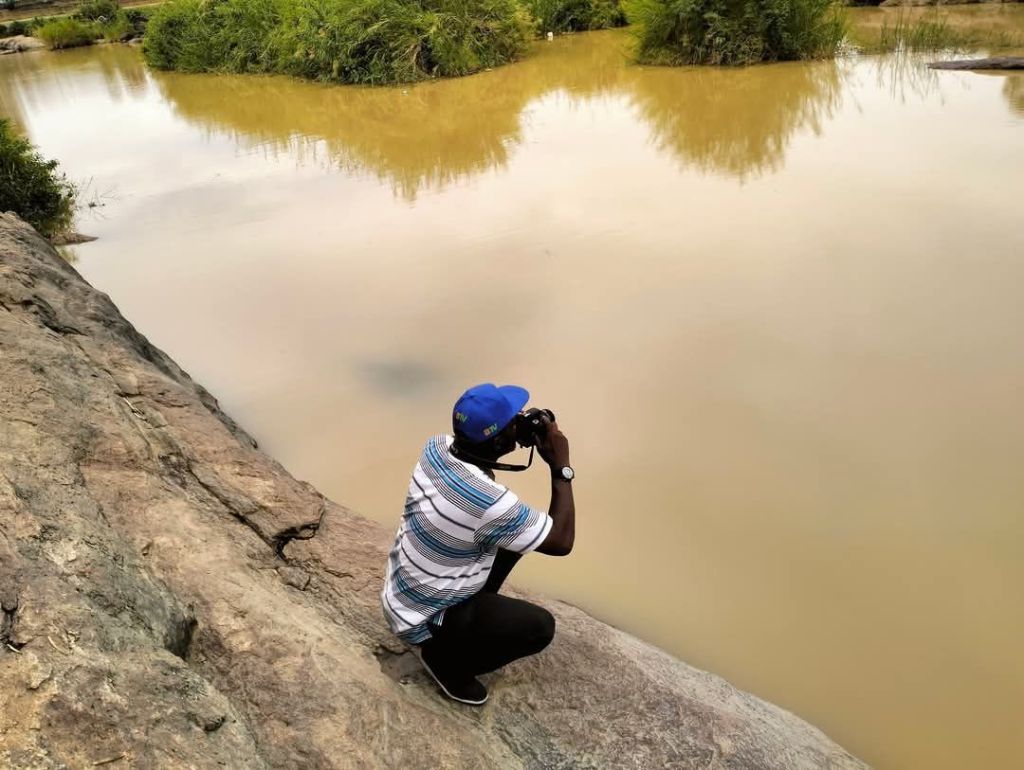
Climate change is also having a profound impact on Nigeria’s rivers, with changes in rainfall patterns and temperature affecting the flow and quality of water in these vital waterways.
The impact of river pollution on human health is particularly concerning. In many parts of Nigeria, communities are forced to rely on contaminated water sources, leading to a range of health problems.
The lack of access to clean water and sanitation also perpetuates poverty and inequality, with many communities unable to break the cycle of poverty due to the burden of waterborne diseases.
In addition to the health impacts, river pollution also has significant economic costs. The degradation of river ecosystems can lead to the loss of fisheries and other water-based industries, with many communities losing their livelihoods as a result. The cost of cleaning up polluted rivers is also substantial, with many governments and organizations struggling to address the scale of the problem.
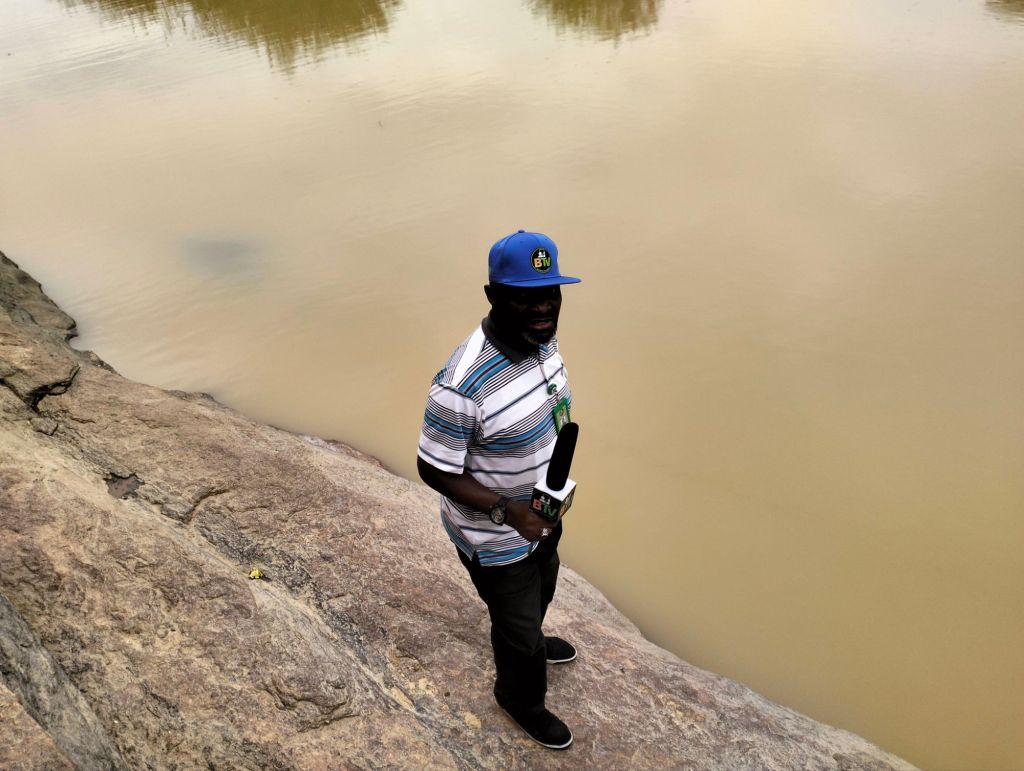
To address the challenges facing Nigeria’s rivers, a concerted effort is needed from government, civil society, and local communities.
This includes implementing policies to reduce pollution, protecting river ecosystems, and promoting sustainable water management practices. By working together, it is possible to preserve the environmental, health, and economic significance of Nigeria’s rivers for future generations.
One approach to achieving this goal is through community-led initiatives that promote sustainable water management practices. By empowering local communities to take ownership of their rivers, it is possible to promote conservation and sustainable use of these vital waterways.
This can include initiatives such as river cleanups, reforestation programs, and education campaigns to raise awareness about the importance of river conservation.
Ultimately, the future of Nigeria’s rivers depends on the actions taken today. By recognizing the environmental, health, and economic significance of these waterways, it is possible to unlock their full potential and ensure that they continue to support the wellbeing of Nigerians for generations to come.
As the country looks to the future, it is clear that the preservation of its rivers is not just an environmental issue, but also a matter of economic and social justice.

About the Author
Comrade AbdulHakeem Mutiu Adejumọ (Ajẹṣẹku) is a distinguished science, environmental, and investigative journalist with BTV (Online TV, Radio and Publication) – Climate and Peacebuilding Reporters and African Climate Reporters. He is also a member of the African Institute of Waste Management and Environmental Studies (AIWMES), a practicing farmer, and entrepreneur.
With expertise in reporting on science, environmental, and safety issues, he has established himself as a leading voice in Nigerian journalism, earning numerous commendations and awards for his impactful reporting.
About BTV Climate Reporters
BTV (Online TV, Radio and Publication) – Climate and Peacebuilding Reporters is a premier science, environmental, and investigative journalism platform in Nigeria, dedicated to advancing climate action, sustainability, and environmental stewardship.
Through in-depth reporting, analysis, and storytelling, the platform provides critical perspectives on pressing science, environmental, and safety issues, promoting informed decision-making, accountability, and transparency. BTV Climate Reporters has become a trusted source of information and a catalyst for positive change.
Contact Information
Mobile Numbers: +2348057278252, +2348082000298, +2348186974277, +2348065980566
Emails: btvnews.com@gmail.com; abdulhakeem.ajeseku002@gmail.com

 BTvNEWS
Leave a comment