A Call to Action to Save Our Waterways and Wildlife…
By AbdulHakeem Mutiu Adejumo-Ajeseku, Abuja-Nigeria
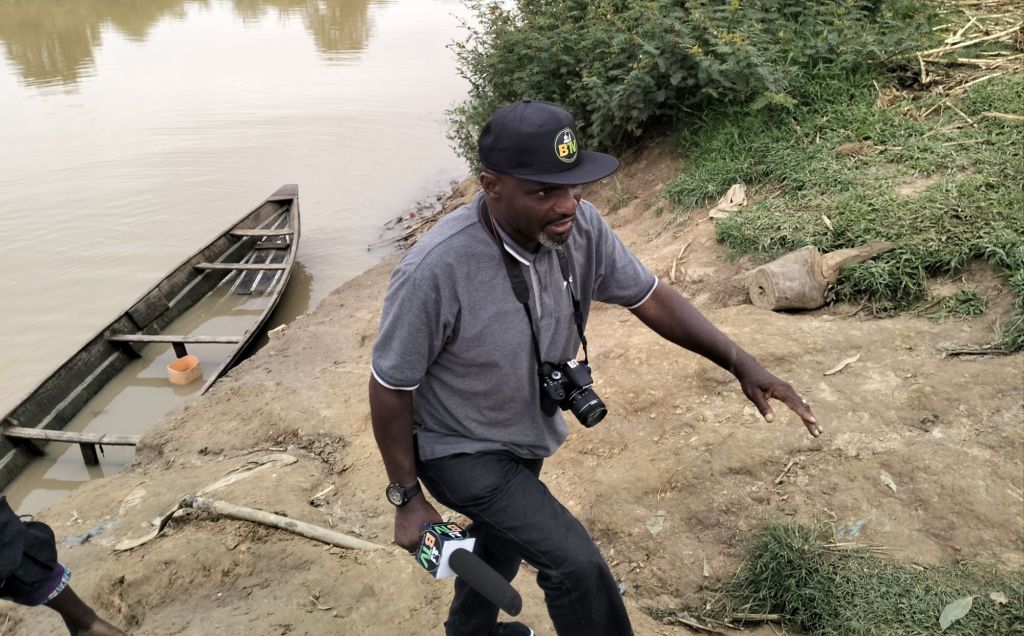
BTvNEWS: The rivers of Nigeria, once teeming with life and vitality, are facing an unprecedented crisis. Human activities, fueled by neglect and disregard for the environment, are taking a devastating toll on these vital waterways. The consequences are far-reaching, with cracks appearing at riverbanks, aquatic mammals facing extinction, and the very fabric of our ecosystem beginning to unravel.
One of the primary causes of this crisis is the channeling of chemicals into our rivers. Industrial waste, pesticides, and other pollutants are being dumped into the waterways, poisoning the aquatic life and damaging the delicate balance of the ecosystem. This not only harms the fish and other aquatic animals but also poses a significant threat to human health, as the water is rendered unsafe for consumption.
Another major contributor to the problem is the disposal of trash into gutters and waterways. Plastic waste, in particular, is choking our rivers, causing blockages and altering the natural flow of the water. This not only affects the aquatic life but also leads to flooding, which can have disastrous consequences for nearby communities.
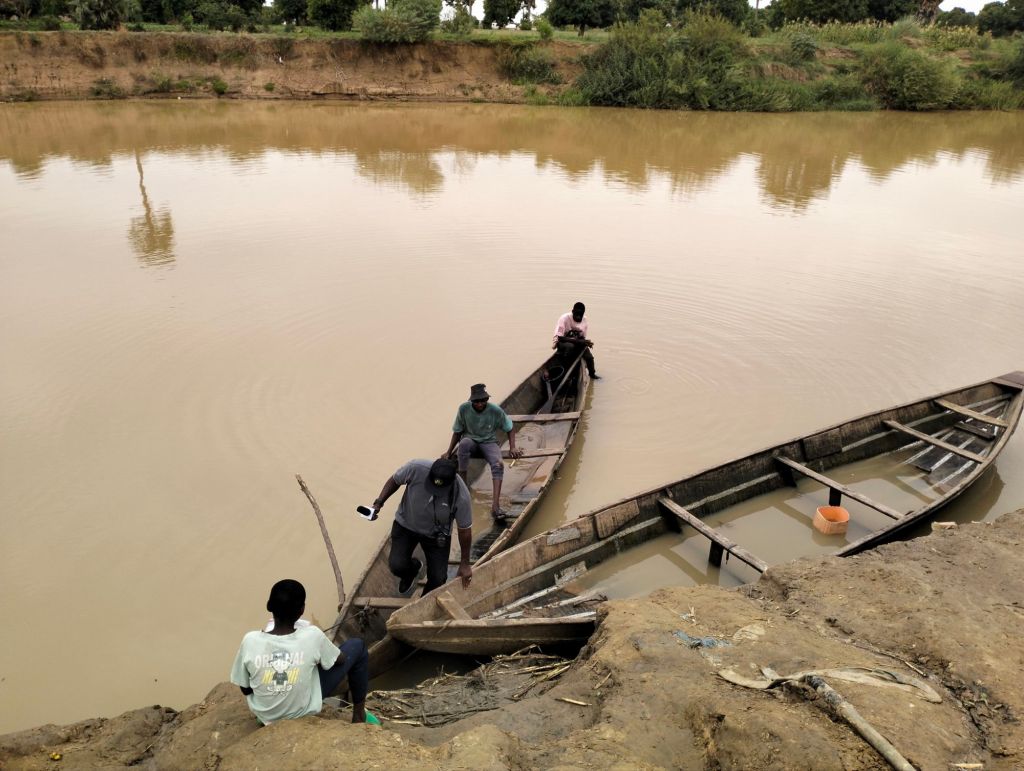
The channeling of toilet excrement into gutters and waterways is yet another issue that needs to be addressed. This practice is not only unhygienic but also poses a significant risk to human health. The presence of untreated sewage in our waterways can lead to the spread of diseases and further exacerbate the decline of aquatic life.
The consequences of these actions are stark. Riverbanks are crumbling, and cracks are appearing, threatening the stability of the surrounding land. Aquatic mammals, such as the African manatee, are facing extinction due to habitat loss and pollution. The loss of these species not only affects the ecosystem but also has significant economic and cultural implications.
The impact on aquatic life is evident. Fish populations are declining, and many species are disappearing. The once-thriving fishing industries are now struggling to survive, leaving many communities without a source of income. The decline of aquatic life also affects the food chain, with many people relying on fish as a primary source of protein.
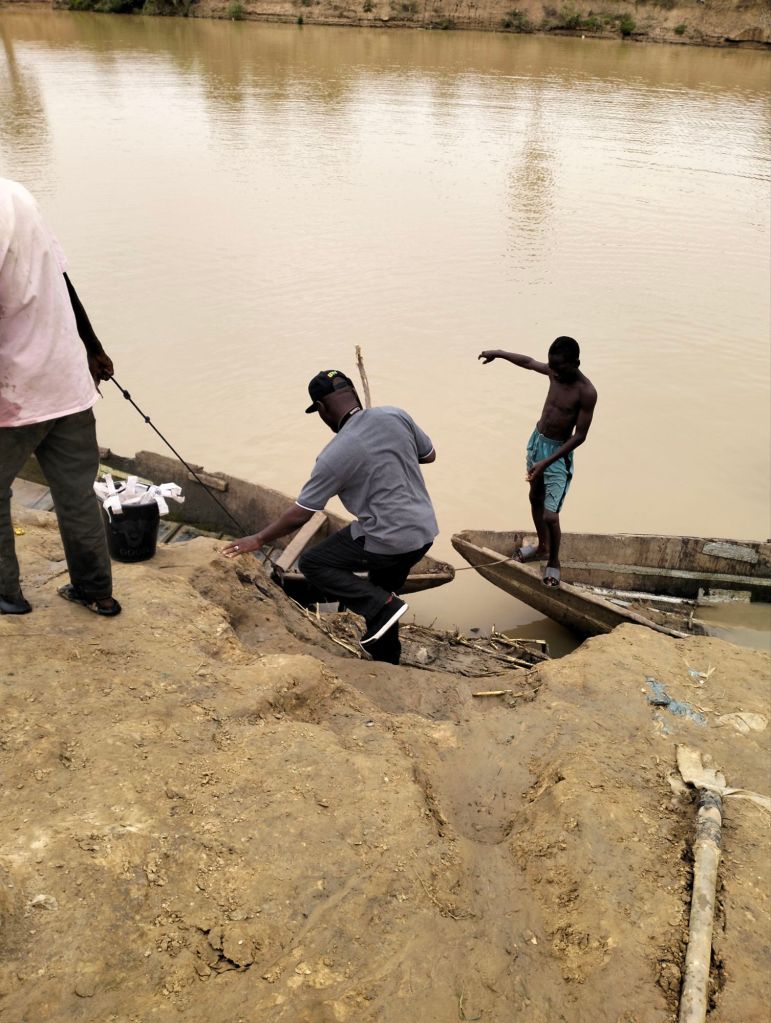
The effects of pollution are not limited to the environment; human health is also being impacted. People living in communities near polluted rivers are suffering from a range of health problems, including waterborne diseases and respiratory issues. The economic costs of pollution are also significant, with many communities bearing the brunt of the impact.
It is imperative that action is taken to address this crisis. Individuals, communities, civil societies, NGOs, and the government must work together to protect our rivers and wildlife. This can be achieved through a combination of education, policy changes, and community-led initiatives.
The government has a critical role to play in addressing this crisis. Policies and regulations need to be put in place to prevent the dumping of chemicals and waste into our waterways. Enforcement of these regulations is also crucial, with penalties for those who flout the law.
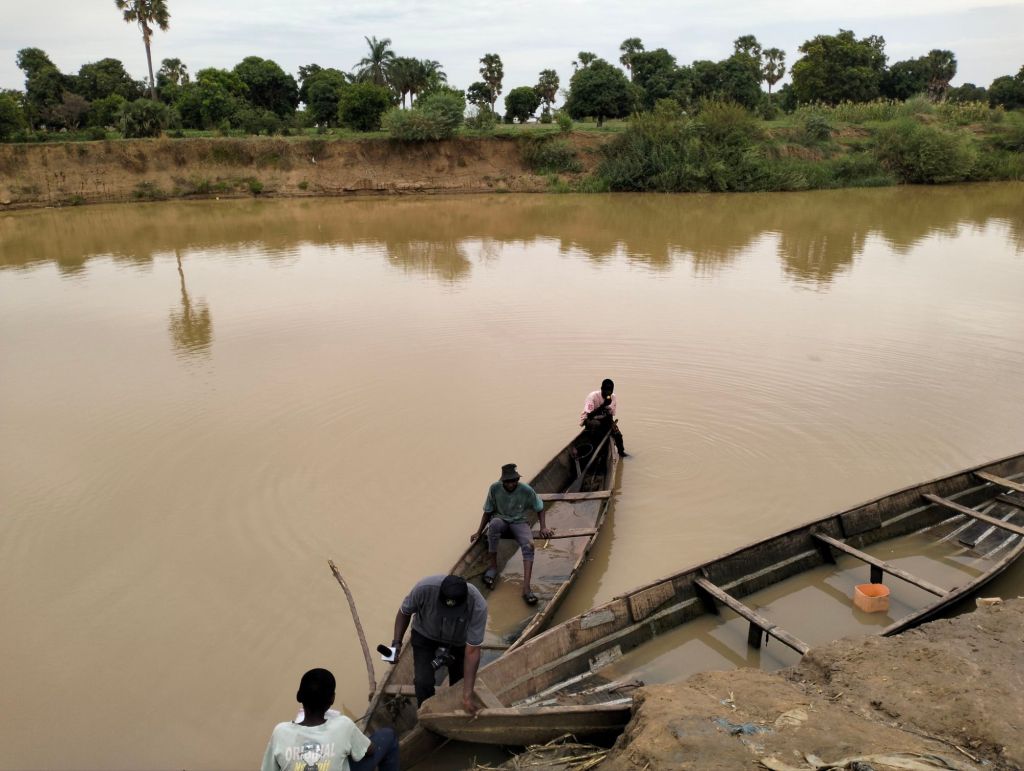
Communities and civil societies can also make a significant impact. By raising awareness about the importance of protecting our rivers and wildlife, individuals can be empowered to take action. Community-led initiatives, such as clean-up exercises and conservation efforts, can also help to mitigate the effects of pollution.
NGOs and other organizations can provide critical support to community-led initiatives. By providing funding, technical expertise, and other resources, these organizations can help to amplify the impact of local efforts.
In conclusion, the crisis facing Nigeria’s rivers is a call to action. We must work together to protect our waterways and wildlife. By taking collective action, we can ensure that our rivers continue to thrive and support the ecosystem, economy, and communities that depend on them. The time to act is now, and it is our responsibility to ensure a sustainable future for generations to come.
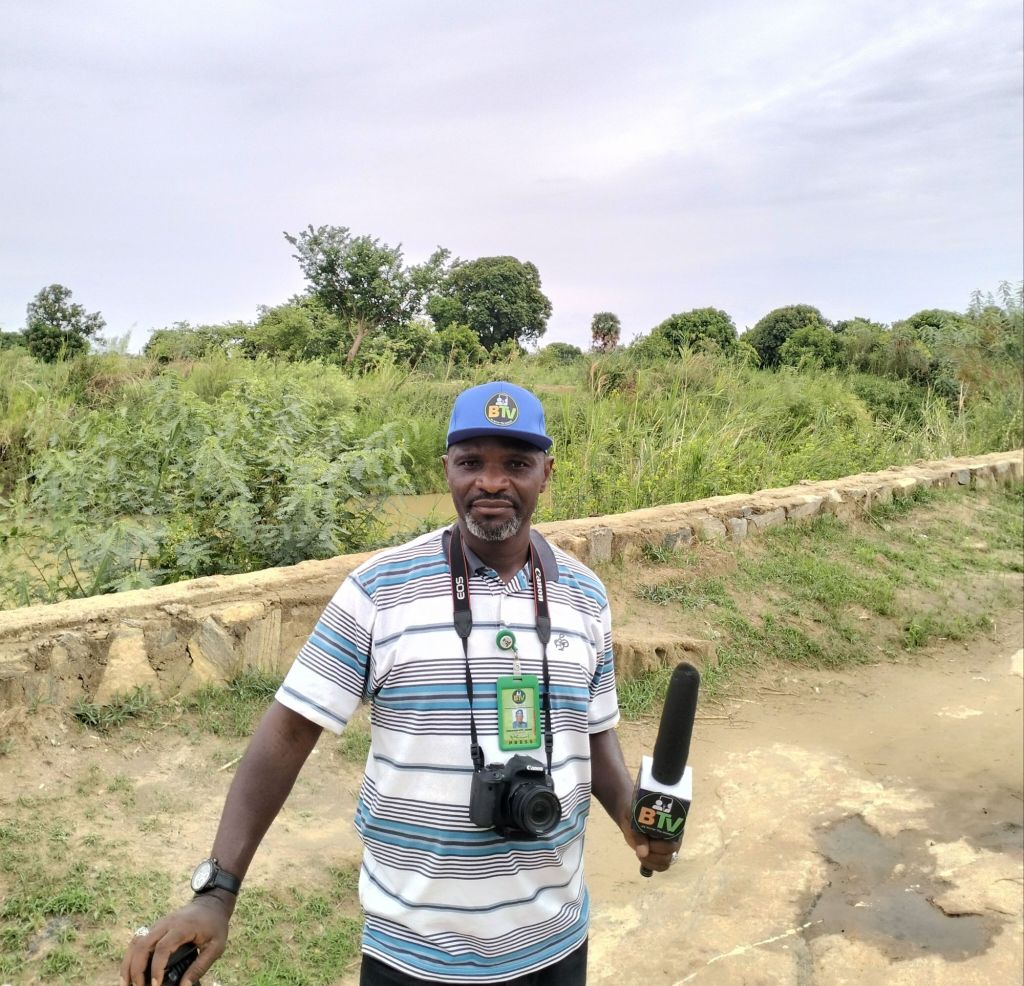
About the Author
Comrade AbdulHakeem Mutiu Adejumọ (Ajẹṣẹku) is a distinguished science, environmental, and investigative journalist with BTV Climate Reporters and African Climate Reporters. He is also a member of the African Institute of Waste Management and Environmental Studies (AIWMES), a practicing farmer, and entrepreneur.
With expertise in reporting on science, environmental, and safety issues, he has established himself as a leading voice in Nigerian journalism, earning numerous commendations and awards for his impactful reporting.
About BTV Climate Reporters
BTV Climate Reporters is a premier science, environmental, and investigative journalism platform in Nigeria, dedicated to advancing climate action, sustainability, and environmental stewardship.
Through in-depth reporting, analysis, and storytelling, the platform provides critical perspectives on pressing science, environmental, and safety issues, promoting informed decision-making, accountability, and transparency. BTV Climate Reporters has become a trusted source of information and a catalyst for positive change.
Contact Information
Mobile Numbers: +2348057278252, +2348082000298, +2348186974277, +2348065980566
Emails: btvnews.com@gmail.com; abdulhakeem.ajeseku002@gmail.com
 BTvNEWS
Leave a comment