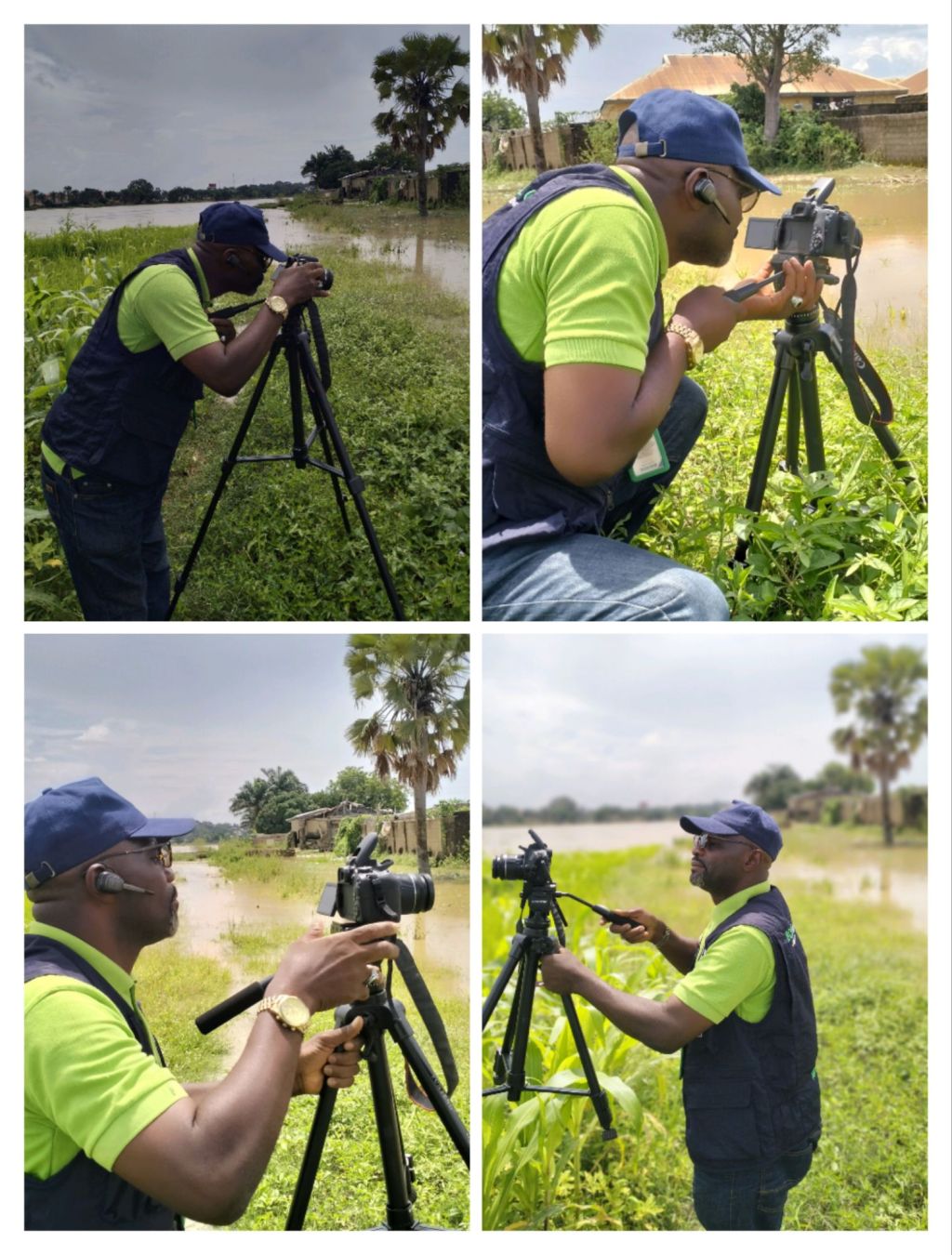
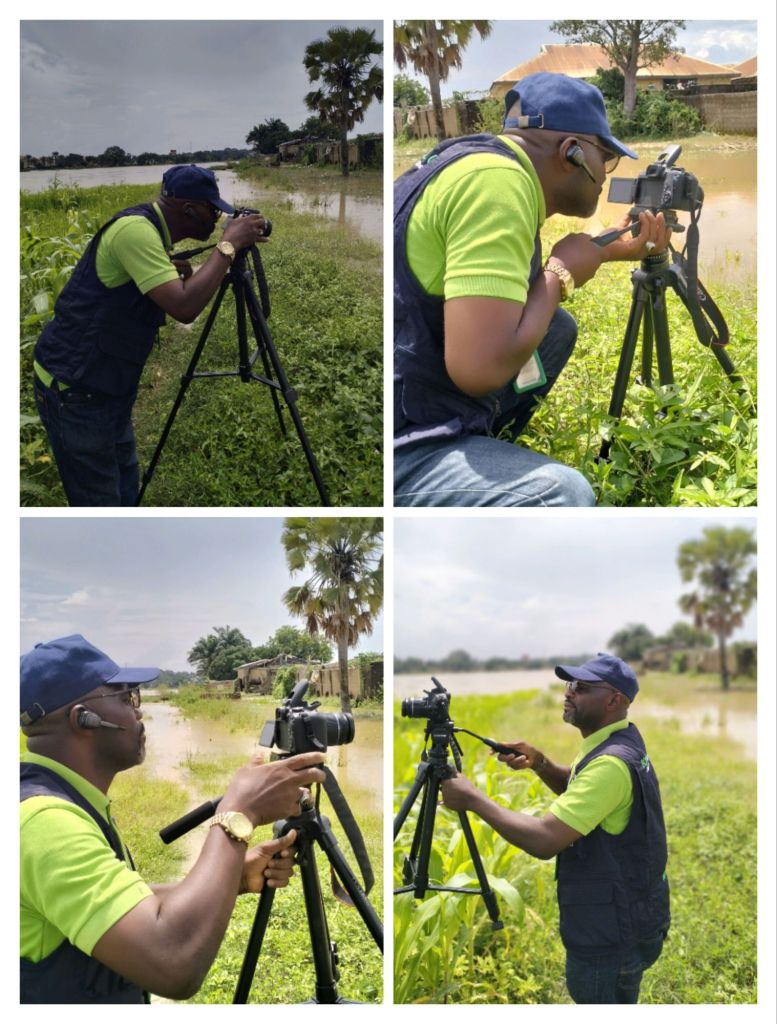
By AbdulHakeem Mutiu Adejumo-Ajeseku, Abuja-Nigeria
Contrasting Conventional and Green Journalism in the Face of Environmental Disaster…
BTvNEWS: The world is at a crossroads, coping with the escalating climate crisis that threatens the very fabric of our existence. As the planet teeters on the brink of disaster, the role of journalists in shaping public discourse and awareness becomes increasingly crucial.
Two distinct approaches to journalism have emerged: conventional journalism and green journalism. While conventional journalists focus on reporting facts and events, green journalists prioritize environmental sustainability, social justice, and climate action.
Conventional journalists often prioritize sensationalism and breaking news over in-depth environmental reporting. Their stories might focus on reporting on climate-related disasters without exploring the underlying causes or long-term implications.
This approach can leave readers feeling overwhelmed and disempowered, without a clear understanding of the issues or potential solutions. In contrast, green journalists take a more nuanced approach, prioritizing in-depth reporting on environmental issues and exploring the complex interplay between human activities and the natural world.
Green journalists investigate the root causes of climate change and its far-reaching consequences, providing actionable solutions and highlighting success stories.
This approach empowers readers to take action and drive positive change.
By prioritizing environmental sustainability and social justice, green journalists can raise awareness about critical environmental issues and hold policymakers and corporations accountable for their actions. One of the key differences between conventional and green journalism is the level of depth and analysis. Conventional journalists might report on climate-related events without providing context or exploring the underlying causes.
Green journalists, on the other hand, dig deeper, examining the complex web of factors that contribute to environmental degradation. This approach provides readers with a more comprehensive understanding of the issues and their implications. The impact of green journalism can be seen in the way it inspires individuals and communities to take action.
By highlighting success stories and providing actionable solutions, green journalists can empower readers to make a positive impact on the environment. This approach can also inspire policymakers and corporations to take bold action to address the climate crisis.
In contrast, conventional journalism often prioritizes conflict and controversy over in-depth analysis and solutions-based reporting. This approach can create a sense of hopelessness and despair, leaving readers feeling overwhelmed and powerless. Green journalism, on the other hand, offers a sense of hope and empowerment, highlighting the potential for positive change and environmental sustainability.
As the climate crisis deepens, the need for green journalism has never been more pressing. By prioritizing environmental sustainability and social justice, green journalists can drive meaningful change and inspire individuals and communities to take action. This approach can also help to create a more informed and engaged public, capable of demanding action from policymakers and corporations.
The role of green journalists is not limited to reporting on environmental issues. They also have the power to shape public discourse and awareness, inspiring individuals and communities to take action. By amplifying the voices of climate reporters and environmental advocates, we can create a groundswell of support for climate action and drive meaningful change.
In Nigeria, the work of green journalists is crucial in raising awareness about the climate crisis and its implications for the country’s development. By prioritizing environmental sustainability and social justice, green journalists can help to create a more informed and engaged public, capable of demanding action from policymakers and corporations.
As a science, environmental, and investigative journalist, I believe that green journalism has the power to shape a more sustainable future. By prioritizing environmental sustainability and social justice, we can create a world that is more just, equitable, and sustainable for all.

About the Author:
Comrade AbdulHakeem Mutiu Adejumo-Ajeseku is a distinguished science, environmental, and investigative journalist with BTV (Online TV, Radio and Publication) – Climate and Peacebuilding Reporters, and African Climate Reporters. He is also a member of the African Institute of Waste Management and Environmental Studies (AIWMES), a practicing farmer, and entrepreneur.
With expertise in reporting on science, environmental, peacebuilding and safety issues, he has established himself as a leading voice in Nigerian journalism, earning numerous commendations and awards for his impactful reporting.
About BTV (Online TV, Radio and Publication) – Climate and Peacebuilding Reporters:
BTV (Online TV, Radio and Publication) – Climate and Peacebuilding Reporters is a premier science, environmental, and investigative journalism platform in Nigeria, dedicated to advancing climate action, sustainability, environmental stewardship, and Peacebuilding.
Through in-depth reporting, analysis, and storytelling, the platform provides critical perspectives on pressing science, environmental, and safety issues, promoting informed decision-making, accountability, peacebuilding initiatives, and transparency. BTV (Online TV, Radio and Publication) – Climate and Peacebuilding Reporters has become a trusted source of information and a catalyst for positive change.
Contact Information:
Mobile Numbers: +2348057278252, +2348082000298, +2348186974277, +2348065980566
Emails: btvnews.com@gmail.com; goldenmirrorcommunicationsltd@gmail.com abdulhakeem.ajeseku002@gmail.com

 BTvNEWS
Leave a comment