By AbdulHakeem Mutiu Adejumo-Ajeseku, Kaduna-Nigeria
The Deadly Legacy of Pollution: A Call to Action to Save Kaduna’s Fishes…
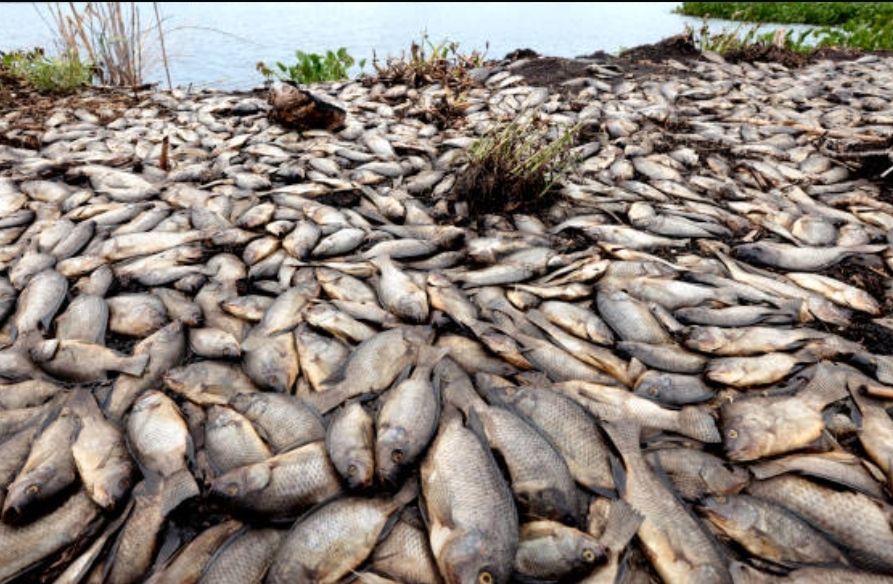
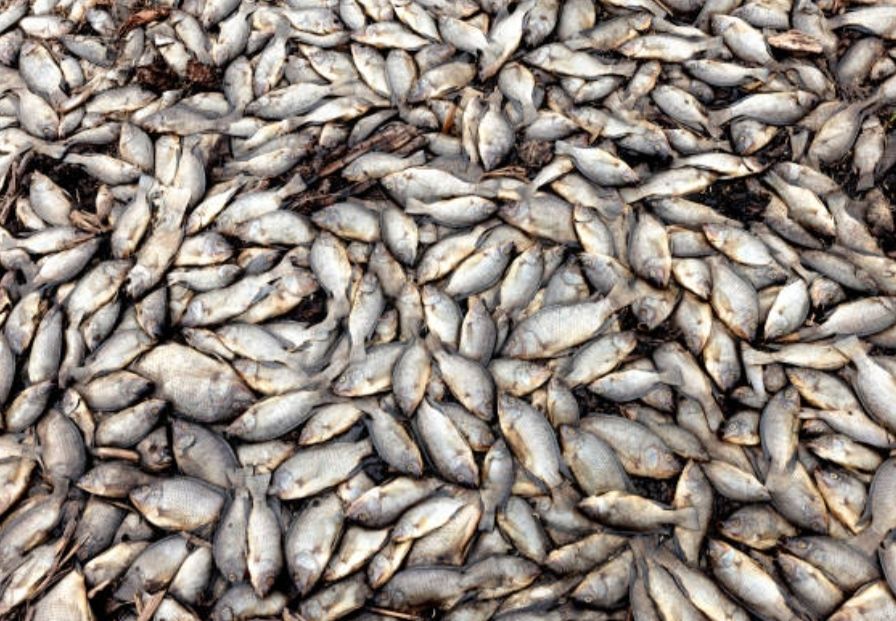
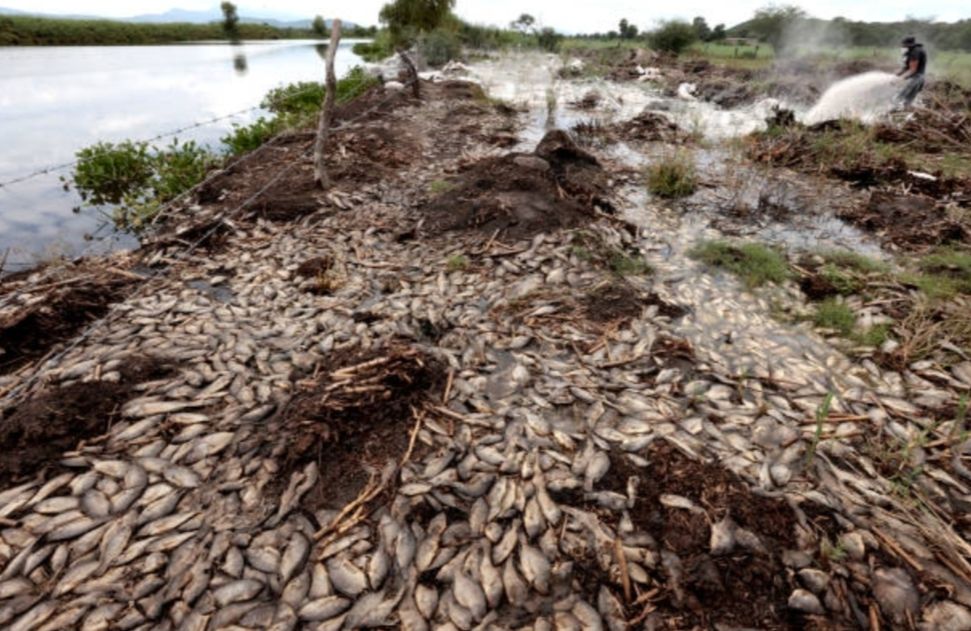
BTvNEWS: The recent phenomenon of dead and fish washing up on the shores of Kaduna’s water bodies, coinciding with the first rainfall of the season, has sent shockwaves through the community. While some may view this as a scrounge natural occurrence, a closer examination reveals a more sinister truth. The root cause of this ecological disaster lies in the negative human activities that are polluting our waterways.
The indiscriminate disposal of chemicals and waste into our rivers and streams has created a toxic environment that is hostile to aquatic life. The first rainfall of the season, instead of bringing life and rejuvenation to our water bodies, is instead washing up dead fish, a grim reminder of the devastating impact of human activities on our environment.
The impact of pollution on aquatic life is multifaceted. Chemicals and waste from industrial, agricultural, and domestic activities are finding their way into our waterways, altering the delicate balance of our ecosystems. This not only affects the fish population but also has far-reaching consequences for human health, as we consume fish and other aquatic products that may be contaminated with toxic substances.
The role of individuals, communities, and civil societies in addressing this issue cannot be overstated. By adopting sustainable practices, such as proper waste disposal and reducing chemical use, we can significantly reduce the amount of pollutants entering our waterways. Non-governmental organizations (NGOs) and community groups can also play a vital role in raising awareness and mobilizing communities to take action.
The Kaduna Environmental Protection Agency (KEPA) has a critical role to play in enforcing environmental regulations and ensuring compliance. However, more needs to be done to empower KEPA to effectively tackle the scale of the problem. Increased funding, resources, and personnel are necessary to enable KEPA to carry out its mandate effectively.
The Kaduna State Government must also take decisive action to address this issue. By implementing policies and regulations that promote sustainable practices, providing incentives for environmentally friendly behaviors, and investing in waste management infrastructure, the government can help mitigate the impact of pollution on our waterways.
Furthermore, individuals must take personal responsibility for their actions, adopting sustainable practices such as reducing plastic use, recycling, and proper waste disposal. Communities can also come together to develop and implement effective waste management systems.
The consequences of inaction are dire. If left unchecked, the pollution of Kaduna’s waterways will have long-term effects on the environment, human health, and the economy. The state government, individuals, communities, civil societies, and NGOs must work together to address this crisis.
In conclusion, the recent phenomenon of dead fish washing up on the shores of Kaduna’s water bodies is a wake-up call. It highlights the urgent need for collective action to address the root causes of pollution and protect our aquatic life. By working together, we can create a cleaner, healthier environment for future generations.
The time for action is now. We must rise to the challenge and take collective responsibility for protecting our environment. By working together, we can restore Kaduna’s waterways to their former glory and create a sustainable future for all.
As we move forward, it is essential to acknowledge the efforts of those who are working tirelessly to address this issue. From community leaders to government officials, there are many individuals and organizations dedicated to protecting the environment. By supporting and amplifying their work, we can create a groundswell of change.
Ultimately, the fight against pollution in Kaduna’s waterways is a fight for the future. It is a fight for clean water, healthy communities, and a sustainable environment. We must not falter. We must not fail. We must rise to the challenge and take action, today and every day, to protect our waterways and our world.
The people of Kaduna deserve a healthy and thriving environment, and it is our collective responsibility to ensure that this is achieved. By working together, we can make a difference and create a brighter future for ourselves and future generations.
About the Author
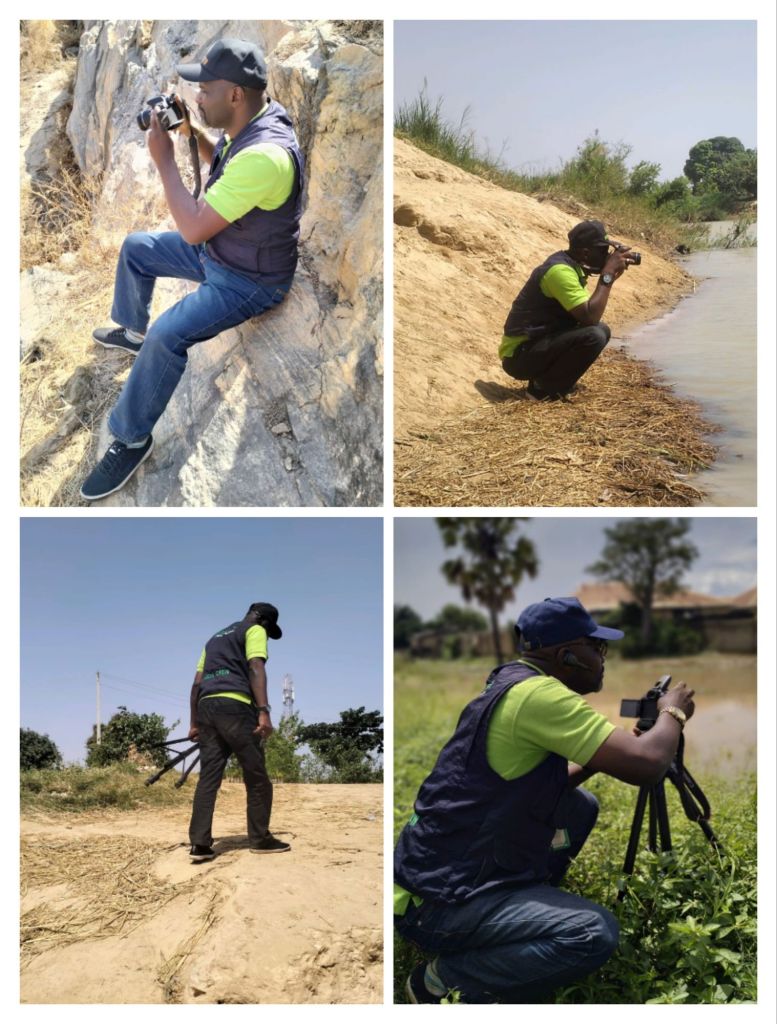
Comrade AbdulHakeem Mutiu Adejumọ (Ajẹṣẹku) is a distinguished science, environmental, and investigative journalist with BTV Climate Reporters and African Climate Reporters. He is also a member of the African Institute of Waste Management and Environmental Studies (AIWMES), a practicing farmer, and entrepreneur.
With expertise in reporting on science, environmental, and safety issues, he has established himself as a leading voice in Nigerian journalism, earning numerous commendations and awards for his impactful reporting.
About BTV Climate Reporters
BTV Climate Reporters is a premier science, environmental, and investigative journalism platform in Nigeria, dedicated to advancing climate action, sustainability, and environmental stewardship.
Through in-depth reporting, analysis, and storytelling, the platform provides critical perspectives on pressing science, environmental, and safety issues, promoting informed decision-making, accountability, and transparency. BTV Climate Reporters has become a trusted source of information and a catalyst for positive change.
Contact Information
Mobile Numbers: +2348057278252, +2348082000298, +2348186974277, +2348065980566
Emails: btvnews.com@gmail.com; abdulhakeem.ajeseku002@gmail.com

 BTvNEWS
Leave a comment