By AbdulHakeem Mutiu Adejumo-Ajeseku, Abuja-Nigeria
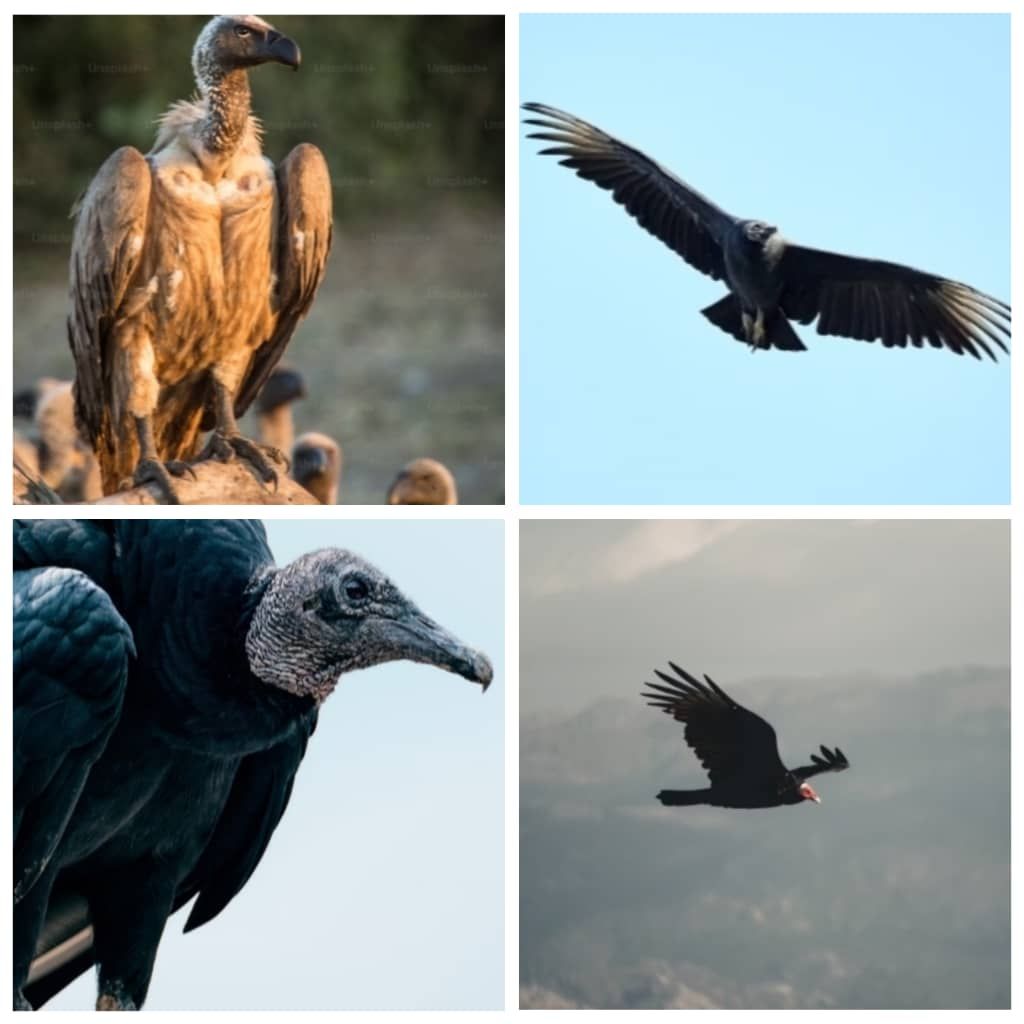
BTvNEWS: Vultures, once a common sight in our skies, are now facing a dire threat of extinction. These majestic birds, known for their scavenging prowess, play a vital role in maintaining the delicate balance of our ecosystem. However, their numbers have been dwindling at an alarming rate, and if urgent action is not taken, we risk losing these incredible creatures forever.
The importance of vultures cannot be overstated. As nature’s cleanup crew, they dispose of carcasses, preventing the spread of diseases and maintaining the health of our environment.
In addition, vultures help to regulate the population of other animals, ensuring that no single species dominates the ecosystem.
Their loss would have far-reaching consequences, affecting not only the environment but also human health and the economy.

One of the primary reasons for the decline of vultures is the use of diclofenac, a non-steroidal anti-inflammatory drug commonly used to treat livestock. When vultures feed on carcasses contaminated with diclofenac, they ingest the toxic substance, leading to kidney failure and death.
This has resulted in a catastrophic decline in vulture populations, with some species experiencing declines of up to 99%.
Another significant threat to vultures is habitat loss and fragmentation. As natural habitats are destroyed or degraded, vultures are left without suitable breeding, roosting, and foraging grounds.
This has forced many vultures to venture into human-dominated landscapes, increasing the risk of conflict with humans and further threatening their survival.
Climate change also poses a significant threat to vultures. Changes in temperature and precipitation patterns alter the availability of food resources, making it challenging for vultures to survive.
Furthermore, climate change increases the spread of diseases, which can have devastating effects on vulture populations.
The loss of vultures would have severe consequences for human health. Without vultures to dispose of carcasses, diseases such as rabies, anthrax, and brucellosis could spread more easily, posing a significant risk to human health.
In addition, the increase in carcasses could attract other scavengers, such as dogs and rats, which can also spread diseases.
The economic implications of vulture extinction are also significant. Vultures play a crucial role in maintaining the health of livestock, and their loss could lead to increased mortality rates and reduced productivity.
This, in turn, could have devastating effects on the livestock industry, leading to economic losses and food insecurity.
In addition to their ecological and economic importance, vultures also hold significant cultural and symbolic value. In many societies, vultures are revered as sacred animals, associated with death, rebirth, and spiritual growth.
The loss of these majestic birds would not only be an ecological tragedy but also a cultural one.
So, what can be done to prevent the extinction of vultures? The first step is to ban the use of diclofenac and other toxic substances that harm vultures.
Governments, conservation organizations, and local communities must work together to protect vulture habitats, reduce human-vulture conflict, and promote sustainable land-use practices.
In addition, education and awareness-raising efforts are crucial in promoting the importance of vultures and the threats they face.
By working together, we can raise awareness about the plight of vultures and inspire action to protect these incredible birds.
The story of vultures serves as a stark reminder of the interconnectedness of our world and the importance of preserving biodiversity.
As we stand at the brink of losing these incredible creatures, we must take immediate action to protect them.
The clock is ticking, and the fate of vultures hangs in the balance. We owe it to ourselves, our children, and future generations to act now and ensure the survival of these magnificent birds.
As we look to the future, we must recognize the importance of vultures and take concrete steps to protect them.
By doing so, we can ensure the long-term health of our environment, our economy, and our very way of life.
About the Author:
Comrade AbdulHakeem Mutiu Adejumo (Ajẹṣẹku) is a renowned science, environmental, and investigative journalist with BTV Climate Reporters and African Climate Reporters. He is also a member of African Institute of Waste Management and Environmental Studies (AIWMES).
With a strong background in reporting on science, environmental, and safety issues, he has established himself as a leading voice in Nigeria’s journalism landscape.
His extensive reporting has earned him numerous commendations and awards, solidifying his reputation as a dedicated and impactful journalist.
About BTV Climate Reporters:
BTV Climate Reporters is a premier science, environmental, and investigative journalism platform in Nigeria, committed to advancing climate action, sustainability, and environmental stewardship.
Through in-depth reporting, analysis, and storytelling, the platform provides a critical perspective on the most pressing science, environmental, and safety issues facing Nigeria and the world.
With a focus on promoting informed decision-making, accountability, and transparency, BTV Climate Reporters has become a trusted source of information and a catalyst for positive change.
Mobile Numbers: +2348057278252 | +2348082000298 | +2348186974277 | +2348065980566 |
Emails: btvnews.com@gmail.com; abdulhakeem.ajeseku002@gmail.com
 BTvNEWS
Leave a comment