By AbdulHakeem Mutiu Adejumo-Ajeseku, Abuja-Nigeria
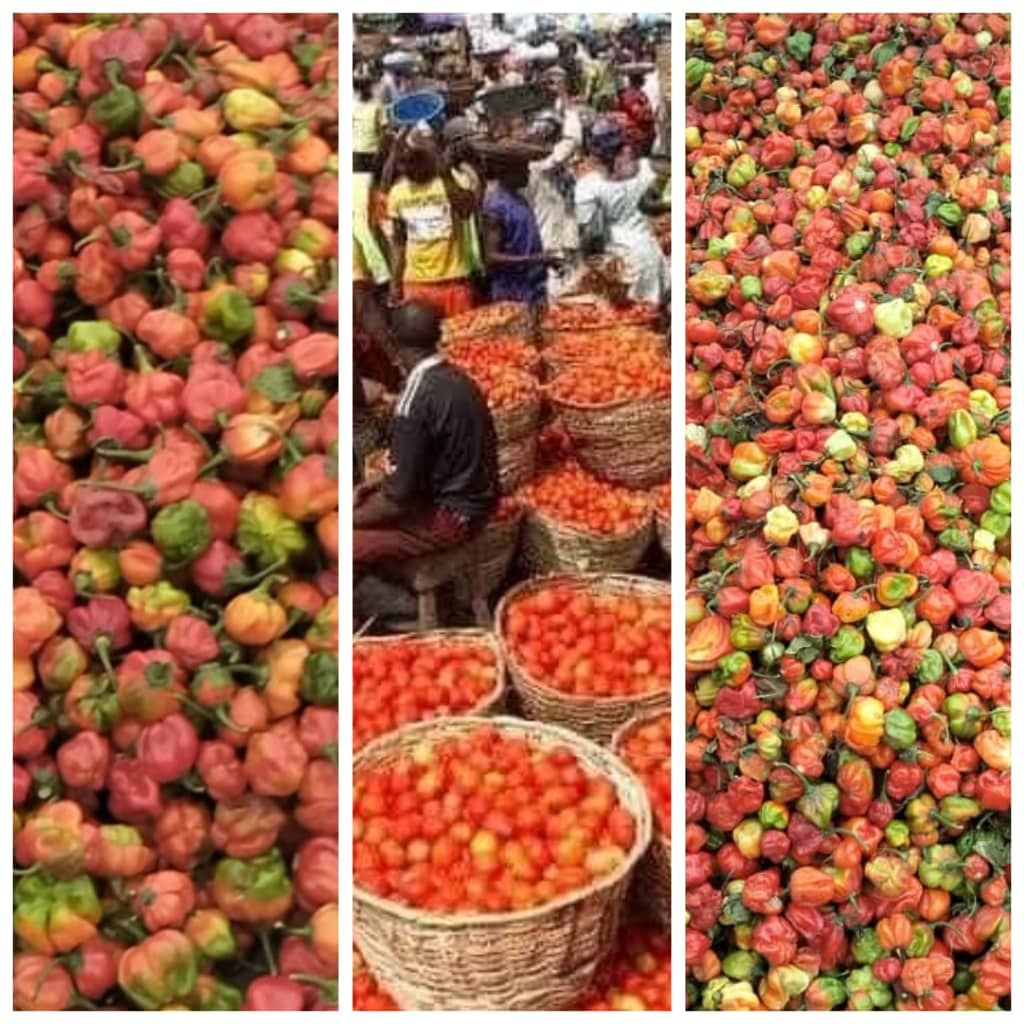
BTvNEWS: Nigeria’s pepper and tomato farming industry has witnessed significant growth in recent years, with local and mechanized farmers relying heavily on conventional inorganic fertilizers to boost yields and meet growing demand. However, beneath the surface of this seemingly successful agricultural practice lies a ticking time bomb, threatening the very foundation of our ecosystem and our health.
The use of conventional inorganic fertilizers has been linked to soil degradation, water pollution, and the decline of beneficial microorganisms in the soil. These chemicals can also accumulate in the bodies of humans and animals, leading to a range of health problems, including cancer, neurological disorders, and reproductive issues.
Despite the risks, many farmers continue to opt for conventional inorganic fertilizers, citing higher yields and shorter growth periods. However, this short-term gain comes at a long-term cost, as the over-reliance on chemical fertilizers can lead to soil degradation, reduced fertility, and decreased crop yields in the long run.
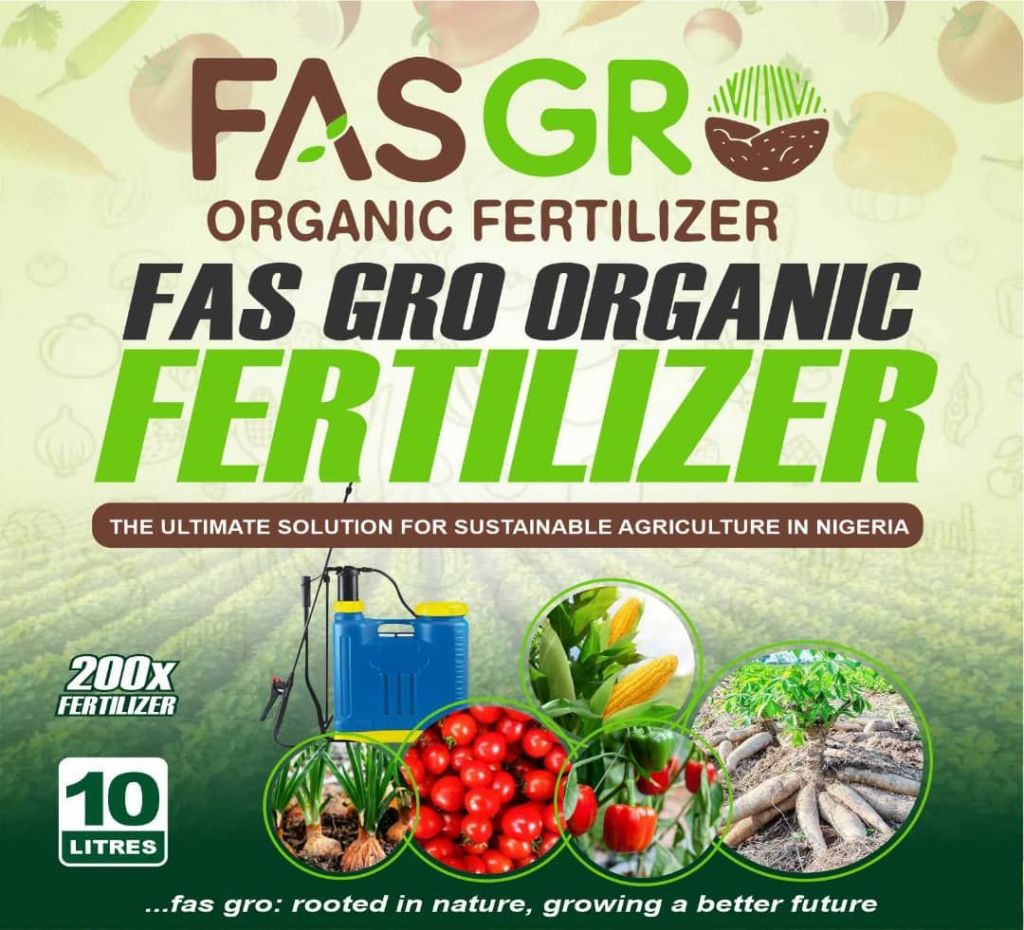
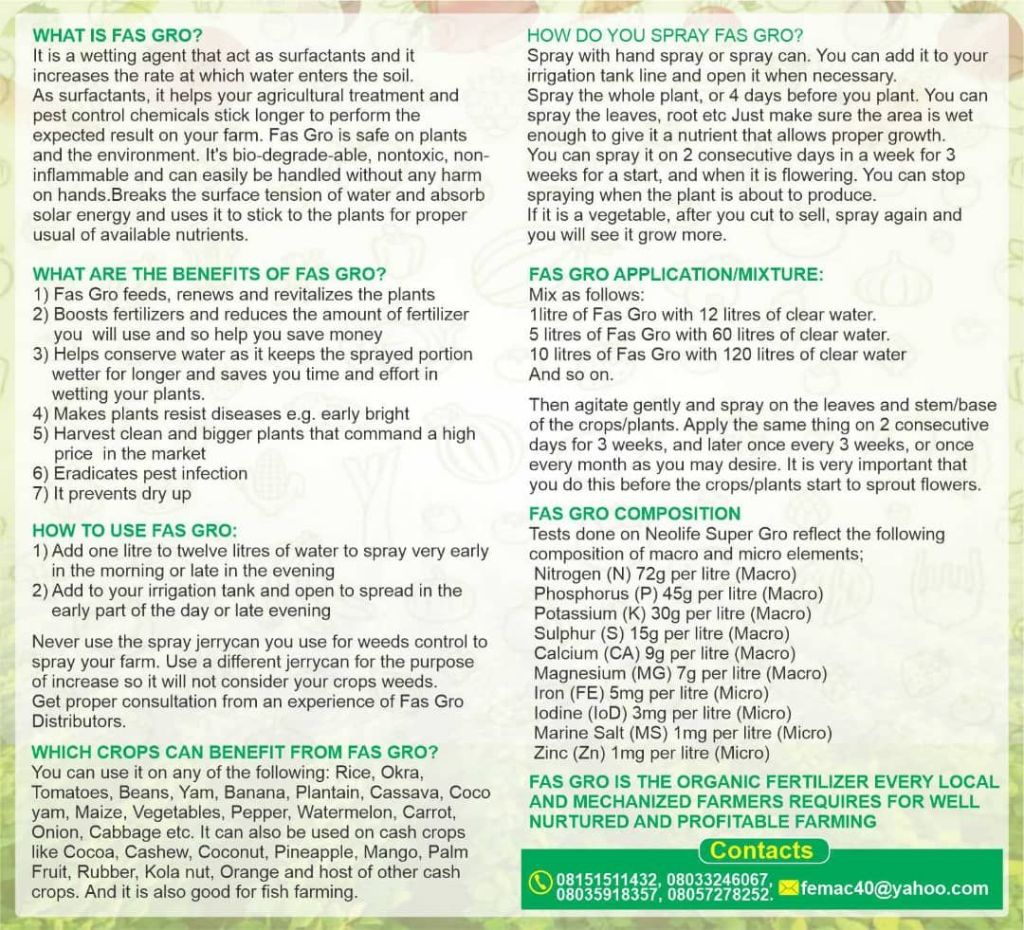
In contrast, pure organic fertilizers like Fas Gro Organic Fertilizer offer a safer and more sustainable alternative. These fertilizers are made from natural materials, such as animal waste, compost, and green manure, which release nutrients slowly, promoting healthy soil biota and structure.
Fas Gro Organic Fertilizer is available for purchase by contacting the sole distributor, renowned science, environmental, and investigative journalist, Comrade AbdulHakeem Mutiu Adejumo-Ajeseku of BTV Climate Reporters and African Climate Reporters, on 08057278252 or 08082000298.
The use of pure organic fertilizers like Fas Gro Organic Fertilizer can help promote healthy soil biota, reduce soil degradation, and decrease the risk of water pollution. In addition, organic fertilizers can also help improve crop yields, reduce the risk of pest and disease outbreaks, and promote sustainable agricultural practices.
As individuals, communities, civil societies, NGOs, and governments, we must take action to promote sustainable agricultural practices and reduce our reliance on conventional inorganic fertilizers. By switching to pure organic fertilizers like Fas Gro Organic Fertilizer, we can help create a healthier, more sustainable food system.
The African Institute of Waste Management and Environmental Studies (AIWMES) has thrown its weight behind the promotion of sustainable agricultural practices, including the use of pure organic fertilizers. As a leading research institution, AIWMES is committed to promoting environmentally friendly practices and reducing the risk of environmental pollution.
The Nigerian government must also take action to regulate the use of conventional inorganic fertilizers and promote the use of pure organic alternatives. By providing incentives for farmers to switch to organic fertilizers and investing in sustainable agricultural practices, we can help create a healthier, more sustainable food system.
As consumers, we have the power to demand change. By choosing to buy produce from farmers who use pure organic fertilizers, we can help create a market for sustainable agricultural practices. We can also support organizations like BTV Climate Reporters, African Climate Reporters, and AIWMES, which are working to promote sustainable agricultural practices and reduce environmental pollution.
In conclusion, the sweet taste of pepper and tomatoes comes at a steep price. By switching to pure organic fertilizers like Fas Gro Organic Fertilizer, we can help create a healthier, more sustainable food system. It’s time to take action and demand a safer, more sustainable future for our food system.
This news article is credited to Comrade AbdulHakeem Mutiu Adejumo-Ajeseku, a renowned science, environmental, and investigative journalist with BTV Climate Reporters and African Climate Reporters, Abuja-Nigeria, in conjunction with African Institute of Waste Management and Environmental Studies (AIWMES).
About the Author: Comrade AbdulHakeem Mutiu Adejumo (Ajẹṣẹku) is a renowned science, environmental, and investigative journalist with BTV Climate Reporters. With a strong background in reporting on science, environmental, and safety issues, he has established himself as a leading voice in Nigeria’s journalism landscape. His extensive reporting has earned him numerous commendations and awards, solidifying his reputation as a dedicated and impactful journalist.
About BTV Climate Reporters: BTV Climate Reporters is a premier science, environmental, and investigative journalism platform in Nigeria, committed to advancing climate action, sustainability, and environmental stewardship. Through in-depth reporting, analysis, and storytelling, the platform provides a critical perspective on the most pressing science, environmental, and safety issues facing Nigeria and the world. With a focus on promoting informed decision-making, accountability, and transparency, BTV Climate Reporters has become a trusted source of information and a catalyst for positive change.
 BTvNEWS
Leave a comment