
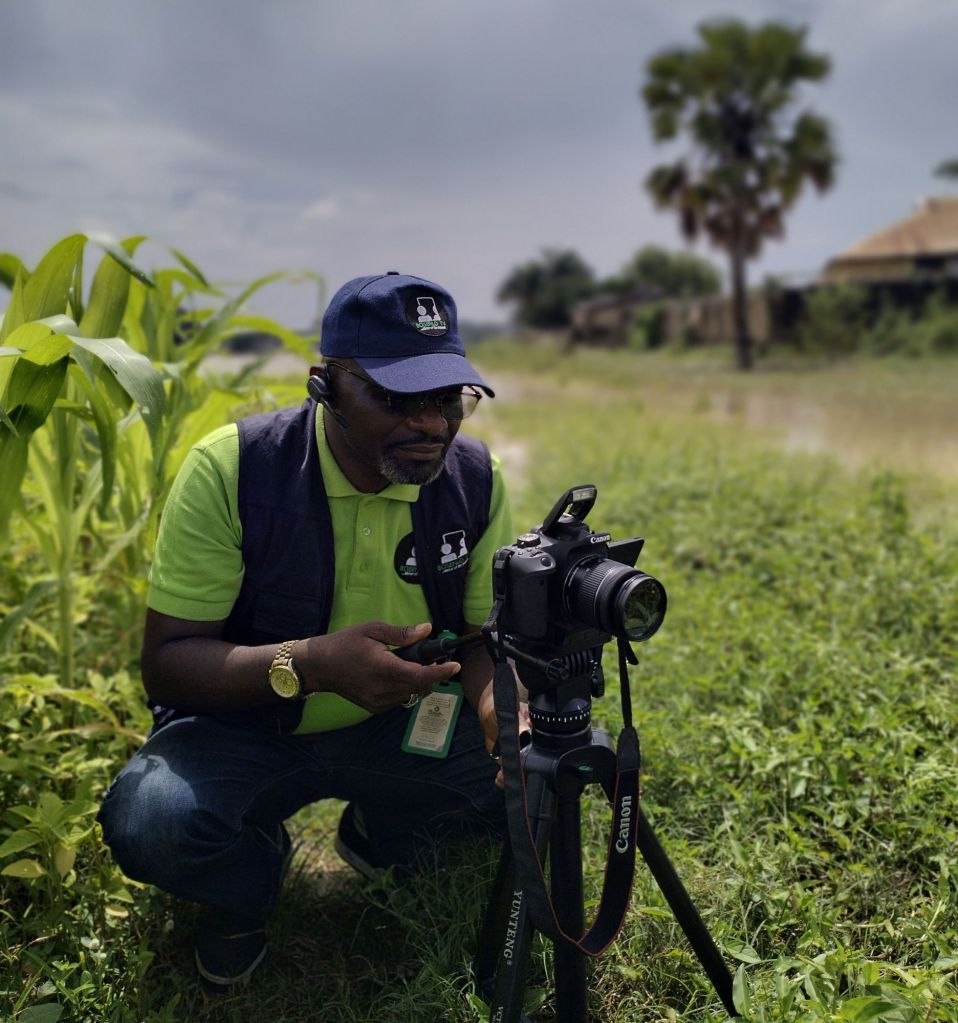
By AbdulHakeem Mutiu Adejumo-Ajeseku, Abuja-Nigeria
BTvNEWS: The widespread use of weedkillers has become a ubiquitous practice in modern agriculture, gardening, and landscaping. However, the convenience and efficiency these chemicals provide come at a steep environmental cost. The devastating impact of weedkillers on our ecosystem, rivers, aquatic mammals, and fish is a pressing concern that demands immediate attention and action.
Weedkillers, also known as herbicides, contain toxic chemicals that can contaminate soil, air, and water. These pollutants can persist in the environment for years, causing irreparable harm to aquatic life and ecosystems. The most widely used weedkiller, glyphosate, has been linked to various environmental and health problems, including the decline of monarch butterfly populations, the contamination of drinking water sources, and the increased risk of cancer in humans.
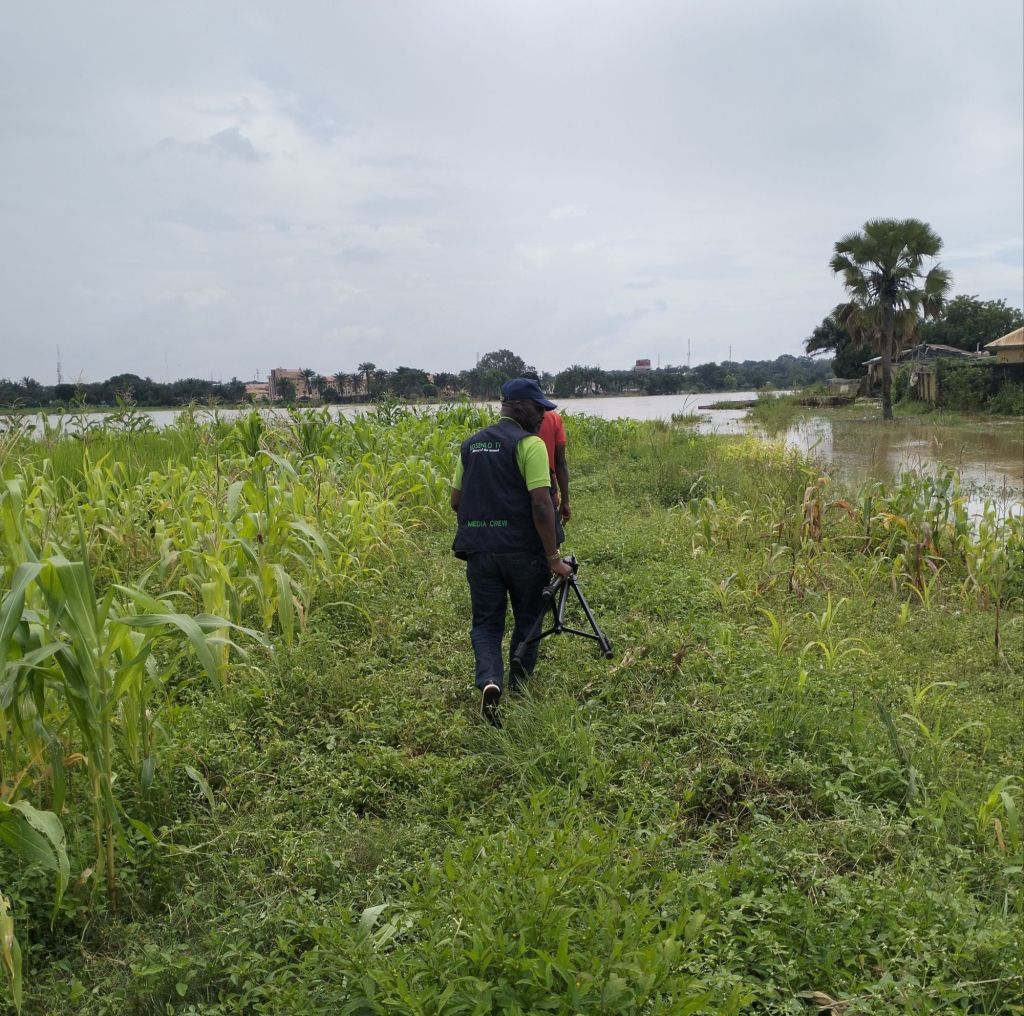
The effects of weedkillers on aquatic life are particularly alarming. Chemical runoff from agricultural fields, gardens, and lawns can enter nearby waterways, causing widespread pollution. Aquatic mammals, such as otters and fish, are especially vulnerable to these toxins, which can accumulate in their bodies and cause a range of health problems, including reproductive issues, impaired growth, and increased mortality rates.
Rivers, which are the lifeblood of our ecosystems, are also severely impacted by weedkiller pollution. Chemical contaminants can alter the delicate balance of river ecosystems, leading to the decline of native species, the proliferation of invasive species, and the degradation of water quality. This, in turn, can have far-reaching consequences for human health, as rivers are often the source of drinking water for communities.
The alarming reality is that the use of weedkillers is not only harming the environment but also contributing to the decline of biodiversity. The World Wildlife Fund estimates that the global population of fish and other aquatic species has declined by over 80% in the past few decades, with pollution from agricultural chemicals being a major contributor to this decline.
So, what can be done to mitigate the devastating impact of weedkillers on our environment? The answer lies in a multi-faceted approach that involves individuals, communities, civil societies, NGOs, and governments working together to promote sustainable practices and reduce our reliance on toxic chemicals.
Individuals can make a difference by adopting eco-friendly gardening and landscaping practices, such as using natural herbicides, composting, and planting native species. Communities can come together to establish community gardens and green spaces that promote biodiversity and sustainable land use.
Civil societies, NGOs, and governments must also play a critical role in addressing the issue of weedkiller pollution. This can be achieved through policy changes, public awareness campaigns, and education programs that promote sustainable agriculture and environmental stewardship.
In conclusion, the negative impact of weedkillers on our environment, rivers, aquatic mammals, and fish is a pressing concern that demands immediate attention and action. It is our collective responsibility to promote sustainable practices, reduce our reliance on toxic chemicals, and protect the delicate balance of our ecosystems for future generations.
Call to Action:
Individuals: Adopt eco-friendly gardening and landscaping practices, and support local initiatives that promote sustainable land use.
Communities: Establish community gardens and green spaces that promote biodiversity and sustainable land use.
Civil Societies, NGOs, and Governments: Promote policy changes, public awareness campaigns, and education programs that support sustainable agriculture and environmental stewardship.
Together, we can make a difference and create a healthier, more sustainable environment for all.

About the Author:
Comrade AbdulHakeem Mutiu Adejumo-Ajeseku is a distinguished science, environmental, investigative, and Peacebuilding journalist at BTV (Online TV, Radio, and Publication) – Climate and Peacebuilding Reporters, and African Climate Reporters (ACR).
He is also a member of the African Institute of Waste Management and Environmental Studies (AIWMES), a practicing farmer, and entrepreneur.
With expertise in reporting on science, environmental, peacebuilding and safety issues, he has established himself as a leading voice in Nigerian journalism, earning numerous commendations and awards for his impactful reporting.
About BTV (Online TV, Radio, and Publication) – Climate and Peacebuilding Reporters:
BTV (Online TV, Radio, and Publication) – Climate and Peacebuilding Reporters is a premier science, environmental, investigative, and Peacebuilding journalism platform in Nigeria, dedicated to advancing climate action, sustainability, environmental stewardship, and Peacebuilding.
Through in-depth reporting, analysis, and storytelling, the platform provides critical perspectives on pressing science, environmental, and safety issues, promoting informed decision-making, accountability, peacebuilding initiatives, and transparency.
BTV (Online TV, Radio, and Publication) – Climate and Peacebuilding Reporters has become a trusted source of information and a catalyst for positive change.
Contact Information:
Mobile Numbers: +2348057278252, +2348082000298, +2348186974277, +2348065980566
Emails: btvnews.com@gmail.com; goldenmirrorcommunicationsltd@gmail.com; abdulhakeem.ajeseku002@gmail.com

 BTvNEWS
Leave a comment