By AbdulHakeem Mutiu Adejumo-Ajeseku, Abuja
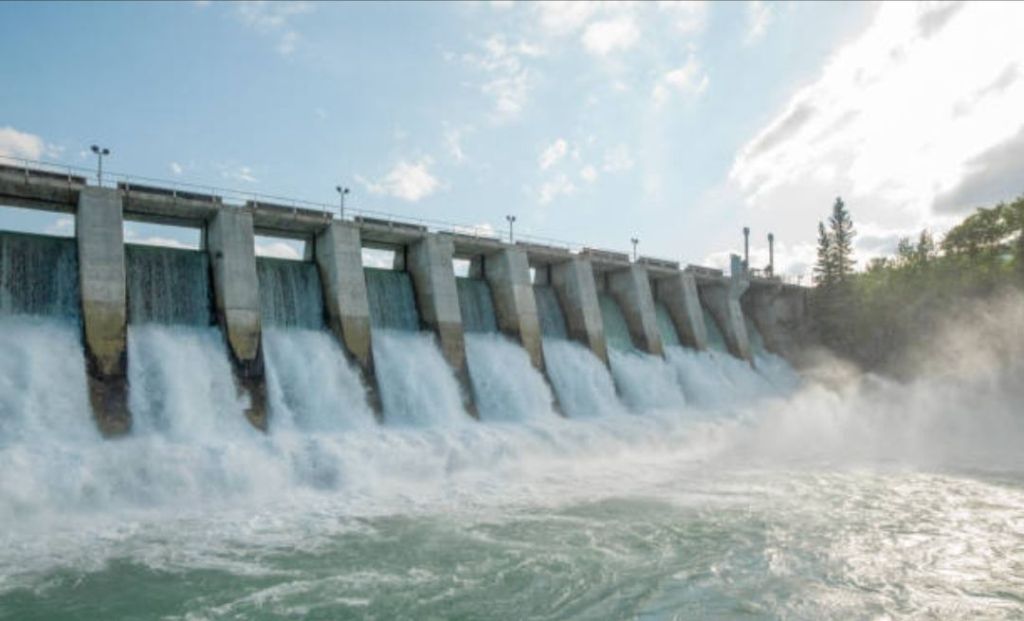
BTvNEWS: Nigeria, a country blessed with an abundance of water resources, is facing a growing challenge in managing its dams, which are crucial for irrigation, hydroelectric power generation, and water supply. The desilting of dams, a process that involves removing sediment and silt that have accumulated at the bottom of these water bodies, has become a pressing issue that requires immediate attention from individuals, communities, civil societies, NGOs, and the government.
The importance of desilting dams cannot be overstated. Sedimentation, which is the process of sediment and silt accumulating at the bottom of dams, can reduce the storage capacity of these water bodies, affecting their ability to regulate water flow and supply.
This, in turn, can have devastating consequences, including flooding, water scarcity, and damage to infrastructure. In Nigeria, the problem of sedimentation is exacerbated by factors such as deforestation, land degradation, and poor agricultural practices, which increase the amount of sediment and silt that enters the dams.
Furthermore, the lack of regular maintenance and desilting of dams has led to a significant reduction in their storage capacity, making them less effective in managing water resources. The consequences of not desilting dams are far-reaching and can have significant economic, social, and environmental impacts.
For example, the reduction in storage capacity of dams can lead to a decrease in hydroelectric power generation, which can affect the country’s energy supply and economy. Additionally, the increased risk of flooding and water scarcity can have devastating consequences for communities that rely on these water bodies for their livelihoods.
Despite the challenges posed by sedimentation, there are many benefits to desilting dams. For instance, desilting can help to restore the storage capacity of dams, improve water quality, and reduce the risk of dam failure.
Moreover, desilting can also help to increase the efficiency of hydroelectric power generation, which can contribute to the country’s energy supply and economic development.
It is therefore imperative that the government, civil societies, NGOs, and individuals take a proactive approach to desilting dams in Nigeria.
The government must take the lead in desilting dams by allocating sufficient funds and resources for regular maintenance and desilting activities. This can involve working with international organizations, NGOs, and civil societies to secure funding and technical assistance for desilting projects.
Additionally, the government must develop and implement policies and regulations that promote sustainable dam management, including desilting. This can involve establishing a national dam management agency that is responsible for overseeing the maintenance and desilting of dams, as well as developing guidelines and standards for desilting activities.
Communities and individuals must also play a crucial role in desilting dams by adopting sustainable land use practices, such as reforestation and conservation agriculture, which can help to reduce sedimentation.
Moreover, communities can also participate in desilting activities, such as manual removal of sediment and silt, to help restore the storage capacity of dams. Civil societies and NGOs must also advocate for the desilting of dams and work with the government and communities to raise awareness about the importance of desilting and the consequences of not desilting dams.
In conclusion, the desilting of dams in Nigeria is a critical issue that requires immediate attention from individuals, communities, civil societies, NGOs, and the government. By working together, we can restore the storage capacity of our dams, improve water quality, and reduce the risk of dam failure.
It is a call to action that we must all respond to, for the sake of our country’s sustainable future. As a science, environmental, and investigative journalist, I urge all stakeholders to take a proactive approach to desilting dams in Nigeria.
We must work together to raise awareness about the importance of desilting, advocate for policies and regulations that promote sustainable dam management, and support communities and individuals who are working to restore the storage capacity of our dams.
The time to act is now. We must desilt our dams to ensure a sustainable future for our country. The consequences of not doing so are too great to ignore. Let us work together to address this critical issue and ensure that our dams continue to play a vital role in managing our water resources and supporting our economy and livelihoods.
I call on the government, civil societies, NGOs, and individuals to join forces and make a commitment to desilt our dams. We owe it to ourselves, our children, and future generations to take action and ensure that our dams are managed sustainably. The future of our country depends on it.
About the Author
Comrade AbdulHakeem Mutiu Adejumọ (Ajẹṣẹku) is a distinguished science, environmental, and investigative journalist with BTV Climate Reporters and African Climate Reporters. He is also a member of the African Institute of Waste Management and Environmental Studies (AIWMES), a practicing farmer, and entrepreneur.
With expertise in reporting on science, environmental, and safety issues, he has established himself as a leading voice in Nigerian journalism, earning numerous commendations and awards for his impactful reporting.
About BTV Climate Reporters
BTV Climate Reporters is a premier science, environmental, and investigative journalism platform in Nigeria, dedicated to advancing climate action, sustainability, and environmental stewardship.
Through in-depth reporting, analysis, and storytelling, the platform provides critical perspectives on pressing science, environmental, and safety issues, promoting informed decision-making, accountability, and transparency. BTV Climate Reporters has become a trusted source of information and a catalyst for positive change.
Contact Information
Mobile Numbers: +2348057278252, +2348082000298, +2348186974277, +2348065980566
Emails: btvnews.com@gmail.com; abdulhakeem.ajeseku002@gmail.com
 BTvNEWS
Leave a comment