By AbdulHakeem Mutiu Adejumo-Ajeseku, Abuja-Nigeria
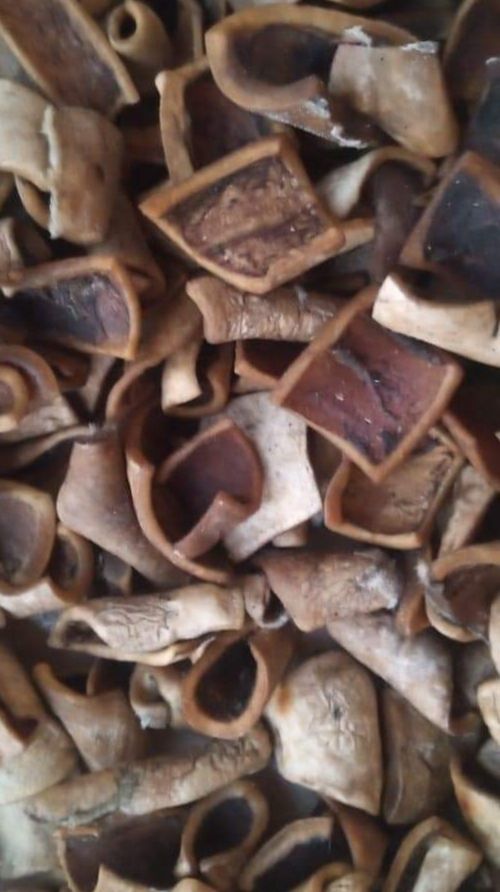
BTvNEWS: The consumption of processed cow skin, popularly known as ponmo, has become a staple in many West African countries, particularly in Nigeria. The demand for ponmo has been on the rise, with many people enjoying it as a delicacy in various forms, including soups, stews, and sauces.
However, as the popularity of ponmo continues to grow, concerns about its health implications have sparked intense debate among health enthusiasts, researchers, and policymakers. In this investigative report, we delve into the world of ponmo, exploring its health benefits, concerns, and what individuals, communities, civil societies, NGOs, and governments can do to ensure its safe consumption.
Ponmo is a rich source of collagen, a protein that plays a crucial role in maintaining healthy skin, hair, and nails. Collagen is also essential for joint health, and its deficiency has been linked to various health problems, including osteoarthritis and rheumatoid arthritis.
Furthermore, ponmo is an excellent source of protein, making it a popular choice among fitness enthusiasts and health-conscious individuals. Protein is essential for building and repairing muscles, organs, and tissues in the body, and its deficiency can lead to various health problems, including muscle wasting and weakness.

In addition to its high protein content, ponmo is also rich in minerals such as calcium, magnesium, and phosphorus, which are essential for maintaining strong bones and teeth. Calcium, for example, is crucial for building and maintaining strong bones, while magnesium plays a vital role in muscle and nerve function. Phosphorus, on the other hand, is essential for the formation of bones and teeth, and its deficiency can lead to various health problems, including osteoporosis and tooth decay.
Despite its numerous health benefits, ponmo has been linked to several health concerns, including high sodium content, potential contamination with bacteria like E. coli and Salmonella, and the presence of additives and preservatives like sodium nitrite and sodium nitrate.
The high sodium content in ponmo is a major concern, particularly for individuals with high blood pressure or cardiovascular disease. Excessive sodium consumption can lead to increased blood pressure, heart disease, and stroke, which are among the leading causes of death worldwide.
The potential for contamination with bacteria like E. coli and Salmonella is another significant concern. These bacteria can cause severe foodborne illnesses, including diarrhea, vomiting, and abdominal cramps. In severe cases, foodborne illnesses can lead to life-threatening complications, including kidney failure and death.
The use of additives and preservatives like sodium nitrite and sodium nitrate has also been linked to potential health risks, including cancer and cardiovascular disease. Sodium nitrite, for example, has been linked to the formation of carcinogenic compounds in the body, which can increase the risk of cancer. Sodium nitrate, on the other hand, has been linked to the formation of nitric oxide in the body, which can increase the risk of cardiovascular disease.
The presence of these additives and preservatives in ponmo is a major concern, particularly for individuals who consume it regularly. To mitigate these risks, individuals can take several steps. Firstly, they can choose low-sodium options, which can help reduce the risk of excessive sodium consumption. Secondly, they can cook ponmo thoroughly, which can help kill bacteria like E. coli and Salmonella. Finally, they can consume ponmo in moderation, which can help reduce the risk of excessive sodium consumption and other health problems.
Communities can also play a crucial role in promoting the safe consumption of ponmo. They can organize awareness campaigns to educate people about the health benefits and concerns of ponmo. These campaigns can include workshops, seminars, and community meetings, where people can learn about the safe consumption of ponmo and its potential health risks. Civil societies and NGOs can advocate for stricter regulations on the production and sale of ponmo, including the use of additives and preservatives.
Governments, on the other hand, can establish and enforce strict food safety standards, provide support for research on the health implications of ponmo, and launch public awareness campaigns to promote safe consumption practices.
Governments can also provide support for farmers and producers who use safe and sustainable practices in the production of ponmo. The private sector also has a crucial role to play in ensuring the safe consumption of ponmo. Food manufacturers and processors can use safe and sustainable practices in the production of ponmo, including the use of low-sodium options and natural preservatives. Restaurants and food vendors can also play a crucial role by cooking ponmo thoroughly and providing customers with information about its potential health risks.
As we navigate the complex world of ponmo, it is essential that we prioritize our health and well-being. By taking a proactive approach to addressing the health concerns associated with ponmo, we can enjoy its numerous health benefits while minimizing its risks. The time to act is now, and it requires a collective effort from all stakeholders. In conclusion, the consumption of ponmo is a complex issue that requires a multifaceted approach.

About the Author:
Comrade AbdulHakeem Mutiu Adejumo-Ajeseku is a distinguished science, environmental, and investigative journalist with BTV (Online TV, Radio and Publication) – Climate and Peacebuilding Reporters, and African Climate Reporters (ACR).
He is also a member of the African Institute of Waste Management and Environmental Studies (AIWMES), a practicing farmer, and entrepreneur.
With expertise in reporting on science, environmental, peacebuilding and safety issues, he has established himself as a leading voice in Nigerian journalism, earning numerous commendations and awards for his impactful reporting.
About BTV (Online TV, Radio and Publication) – Climate and Peacebuilding Reporters:
BTV (Online TV, Radio and Publication) – Climate and Peacebuilding Reporters is a premier science, environmental, and investigative journalism platform in Nigeria, dedicated to advancing climate action, sustainability, environmental stewardship, and Peacebuilding.
Through in-depth reporting, analysis, and storytelling, the platform provides critical perspectives on pressing science, environmental, and safety issues, promoting informed decision-making, accountability, peacebuilding initiatives, and transparency.
BTV (Online TV, Radio and Publication) – Climate and Peacebuilding Reporters has become a trusted source of information and a catalyst for positive change.
Contact Information:
Mobile Numbers: +2348057278252, +2348082000298, +2348186974277, +2348065980566
Emails: btvnews.com@gmail.com; goldenmirrorcommunicationsltd@gmail.com; abdulhakeem.ajeseku002@gmail.com

 BTvNEWS
Leave a comment