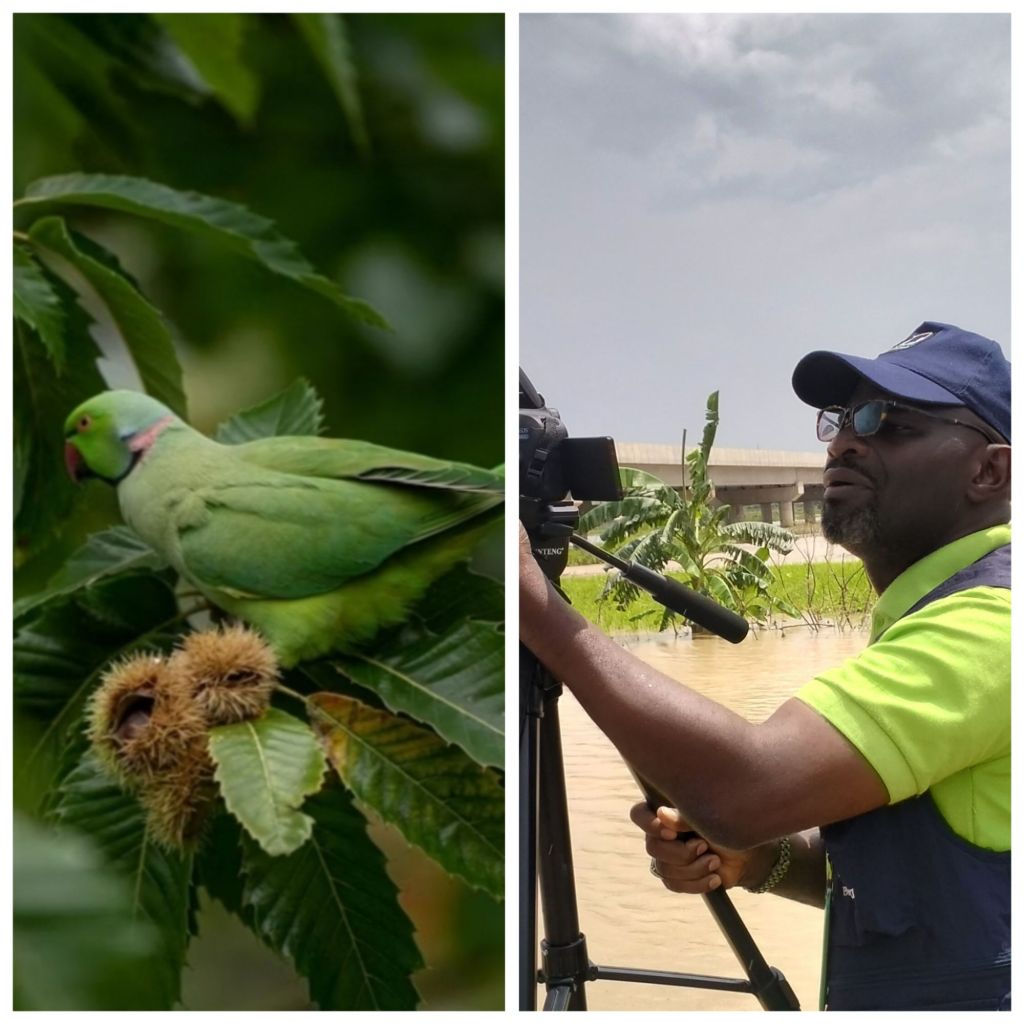
By AbdulHakeem Mutiu Adejumo-Ajeseku, Abuja-Nigeria
BTvNEWS: As an environmental and investigative journalist with BTV Climate Reporters, I have embarked on a comprehensive examination of the Nigerian parrot population, and the findings are nothing short of alarming. With approximately 583 species of birds calling Nigeria home, the parrot population is a mere fraction of this number, and their dwindling numbers are a stark reminder of the devastating impact of human activities on the environment.
The Nigerian parrot, in particular, is a rare sight, with estimates suggesting that there are only a handful of species remaining in the wild. The Grey Parrot, for instance, is one of the most iconic and intelligent bird species, known for its vibrant grey plumage and ability to mimic human speech. However, due to rampant poaching and habitat loss, their numbers have dwindled significantly, and it is estimated that there are only around 1,500 individuals remaining in the wild.
A closer examination of the data reveals that the Senegal Parrot and the Meyer’s Parrot are also struggling to survive, with their populations fragmented and scattered across the country. The main culprit behind this decline is the destruction of their natural habitats, primarily due to deforestation and urbanization. The clearance of forests for agricultural purposes, logging, and the expansion of urban areas have all contributed to the loss of habitat, leaving the parrots with limited space to roam and forage.
Furthermore, the illegal pet trade has also played a significant role in the decline of the Nigerian parrot population. Many of these birds are captured and sold as pets, often to unsuspecting buyers who are unaware of the harm that they are causing. The demand for exotic pets has driven the poaching of parrots, and the lack of effective regulation and enforcement has allowed this trade to thrive.
Conservation efforts are underway to protect these magnificent creatures, but more needs to be done to address the scale and complexity of the issue. The Nigerian government has established several national parks and wildlife reserves, which provide a safe haven for the parrots and other endangered species. However, these efforts are often hindered by a lack of funding and resources, and the parks are frequently under threat from encroachment and poaching.
In addition to the government’s efforts, several non-governmental organizations (NGOs) are also working to protect the Nigerian parrot population. These organizations are involved in a range of activities, including habitat restoration, research, and education. They are also working to raise awareness about the importance of conservation and the impact of human activities on the environment.
Despite these efforts, the plight of the Nigerian parrots remains a pressing concern. The loss of these birds would not only be a tragedy for the environment, but it would also have significant cultural and economic implications. The parrots are an important part of Nigerian culture and heritage, and their loss would be a devastating blow to the country’s biodiversity.
In conclusion, the situation facing the Nigerian parrot population is dire, and urgent action is needed to prevent their extinction. As a nation, we must come together to safeguard the future of these magnificent creatures and preserve the beauty and diversity of Nigeria’s avifauna. This can be achieved through a combination of conservation efforts, education, and awareness-raising, as well as effective regulation and enforcement. The time to act is now, and we must work together to ensure that the Nigerian parrots continue to thrive for generations to come.
Comrade AbdulHakeem Mutiu Adejumo-Ajeseku, an environmental and investigative journalist with BTV Climate Reporters, has been at the forefront of efforts to raise awareness about the plight of the Nigerian parrots. Through his reporting, he has highlighted the importance of conservation and the need for urgent action to protect these magnificent creatures. His work has taken him to the depths of the Nigerian forest, where he has witnessed firsthand the devastating impact of human activities on the environment. He remains committed to telling the story of the Nigerian parrots and to advocating for their protection.
He has reported extensively on environmental and safety issues in Nigeria and has received several commendations and awards for his work.
About BTV Climate Reporters:
BTV Climate Reporters is a leading environmental and investigative journalism platform in Nigeria, dedicated to promoting climate action and sustainability.
 BTvNEWS
Leave a comment