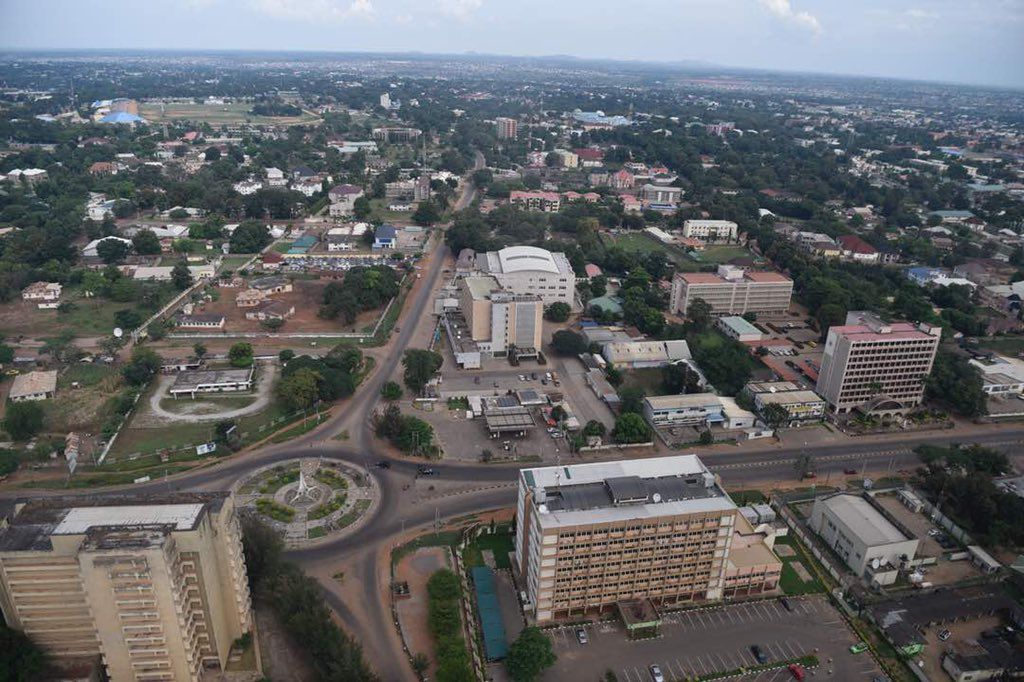
By AbdulHakeem Mutiu Adejumo-Ajeseku, Kaduna
BosenloTvNEWS: As an environmental and investigative journalist with Bosenlo TV (BTV) Climate Reporters, I am compelled to sound the alarm on the devastating impact of climate change on our planet, with a special focus on Kaduna State. The scientific consensus is clear: human activities, particularly the burning of fossil fuels and deforestation, are releasing massive amounts of greenhouse gases into the atmosphere, leading to a global average temperature increase of over 1°C since the late 19th century.
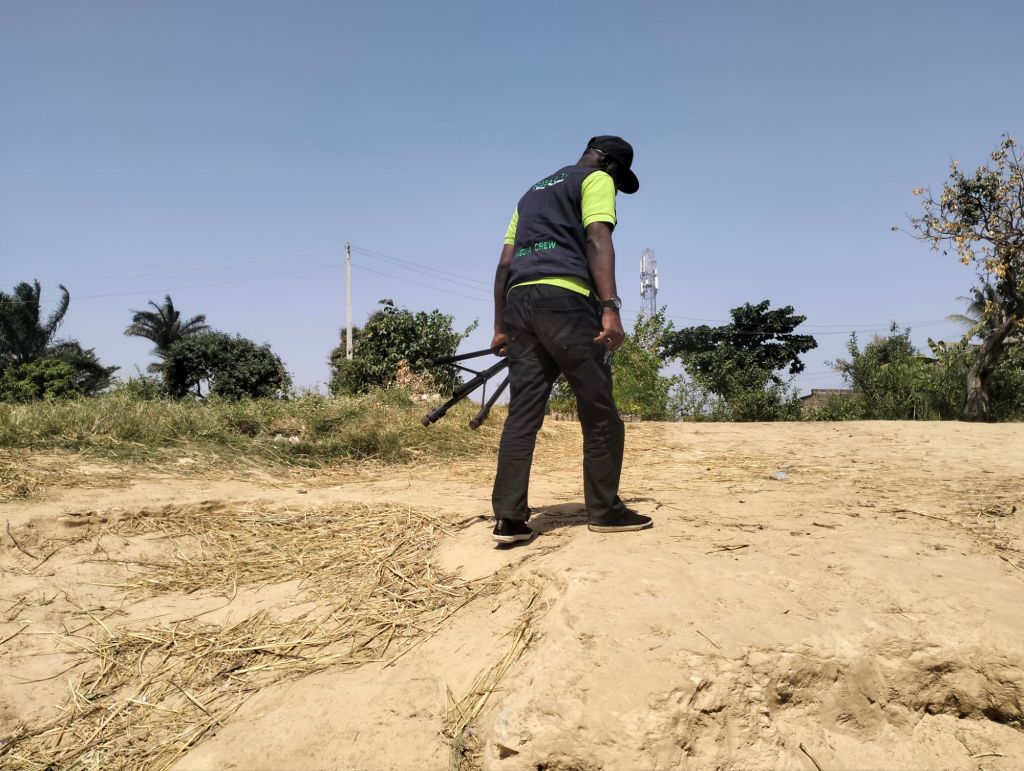
The effects of climate change are far-reaching and multifaceted, with severe consequences for humans, animals, aquatic mammals, plants, and the environment. Rising temperatures are increasing the spread of diseases, heat stress, and other health problems, with the World Health Organization estimating that climate change will cause approximately 250,000 additional deaths per year between 2030 and 2050. In Kaduna State, the health impacts of climate change are a major concern, with increased mortality rates, mental health issues, and decreased quality of life.
Climate change is also having a profound impact on animal populations and ecosystems in Kaduna State. Rising temperatures are altering species’ habitats, disrupting migration patterns, and changing the distribution of plants and animals. The Intergovernmental Science-Policy Platform on Biodiversity and Ecosystem Services (IPBES) warns that up to 1 million species are facing extinction due to human activities, including climate change. Aquatic mammals, such as those found in the Kaduna River, are also vulnerable to the impacts of climate change, with rising water temperatures and pollution altering the distribution and abundance of their prey.
The environmental impacts of climate change are equally alarming, with rising temperatures, more frequent and severe weather events, and changes in precipitation patterns. In Kaduna State, the consequences of these changes are far-reaching, from more frequent and severe flooding and droughts to the loss of biodiversity and ecosystem disruption. The state’s agricultural sector, which is a major contributor to the local economy, is particularly vulnerable to the impacts of climate change, with changing weather patterns and rising temperatures affecting crop yields and livestock productivity.
To mitigate the effects of climate change in Kaduna State, individuals can make a difference by reducing their carbon footprint, using public transport, carpooling, or driving electric or hybrid vehicles. Communities can promote sustainable practices, such as reducing waste, conserving water, and using energy-efficient appliances. Civil societies and NGOs can raise awareness about climate change, promote sustainable practices, and advocate for climate policies.
The Uba Sani-led Kaduna State government must take immediate and decisive action to address climate change, including setting ambitious emission reduction targets, investing in renewable energy, and implementing policies to promote sustainable land use, transportation, and industry practices. The government can start by implementing the Kaduna State Climate Change Policy, which outlines a framework for reducing greenhouse gas emissions and promoting sustainable development. The government can also invest in climate-resilient infrastructure, such as flood-resistant roads and bridges, and provide support to farmers and herders to help them adapt to the changing climate.
Additionally, the government can promote environmental education and awareness, and provide incentives for businesses and individuals to adopt sustainable practices. The call to action is clear: we must work together to reduce greenhouse gas emissions, transition to renewable energy sources, and protect natural habitats. The consequences of inaction will be catastrophic, from more frequent and severe weather events to the loss of biodiversity and ecosystem disruption.
We owe it to ourselves, our children, and future generations to take action and ensure a sustainable and livable planet for all. As the people of Kaduna State, we must demand that our leaders take bold action to address the climate crisis, and we must do our part to reduce our carbon footprint and promote sustainable practices. The time to act is now, and together, we can create a better future for ourselves and for generations to come.
 BTvNEWS
Leave a comment