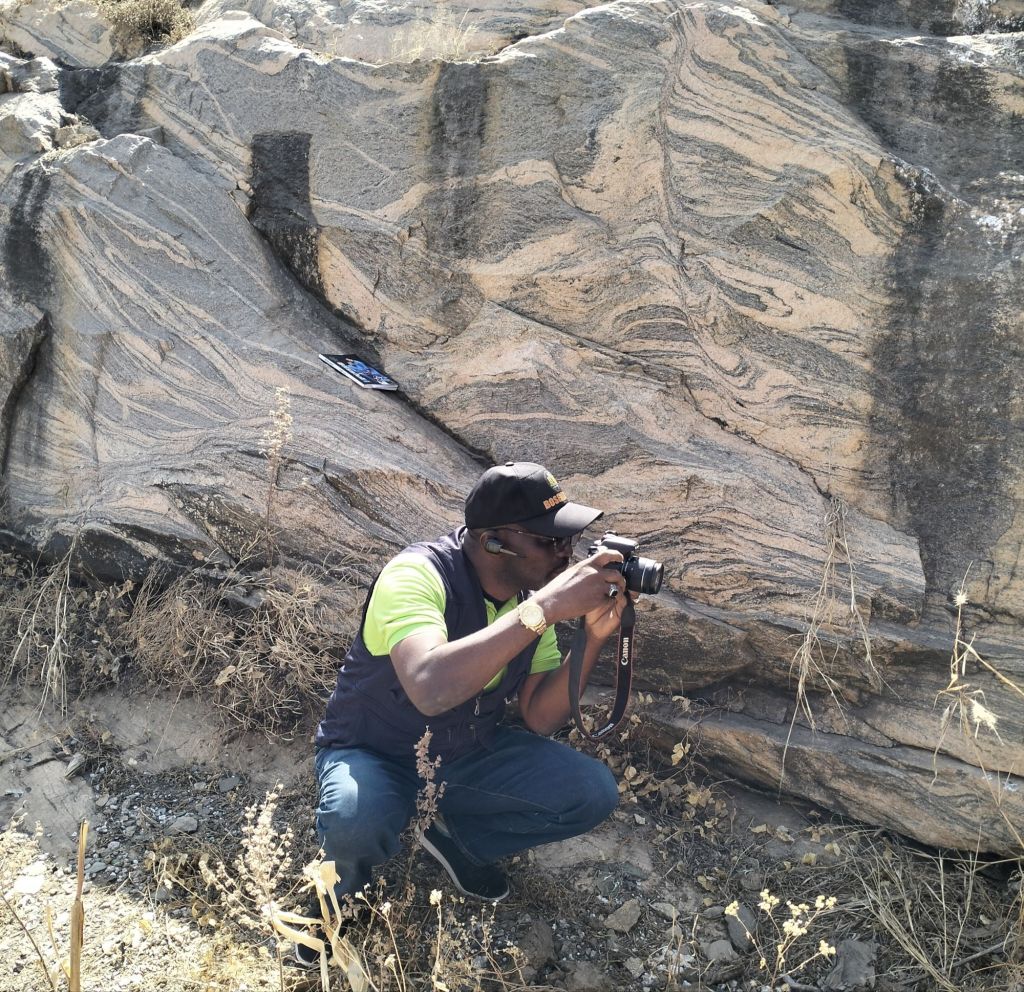
By AbdulHakeem Mutiu Adejumo-Ajeseku, Kaduna
Unlocking Nigeria’s Geological Wealth: The Significance of Rocks in a Developing Economy…
BTvNEWS: Nigeria is home to a diverse range of rock formations, each with its unique characteristics, uses, and significance. The country’s geological landscape is characterized by three main types of rocks: igneous, sedimentary, and metamorphic rocks.
Types of Rocks in Nigeria:
Igneous rocks are formed from the cooling and solidification of magma or lava. They are a significant source of minerals such as granite, basalt, and gneiss, which are used in construction, manufacturing, and other industries.
Sedimentary rocks, on the other hand, are formed from the accumulation and compression of sediments. They are a significant source of fossil fuels, such as coal, oil, and natural gas, which are the country’s mainstay economy.
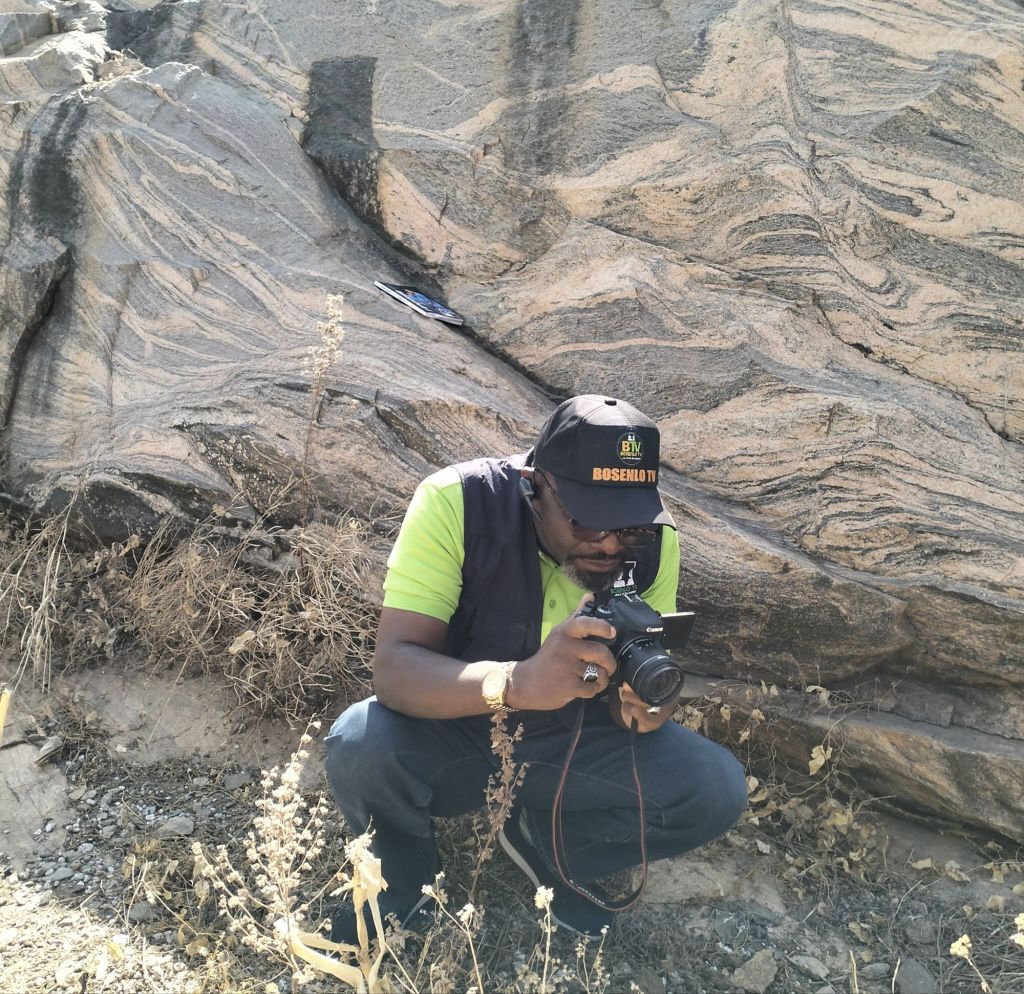
Metamorphic rocks are formed from the alteration of existing rocks under high pressure and temperature conditions. They are a significant source of minerals like marble, slate, and quartzite, which are used in construction, manufacturing, and other industries.
Environmental Significance of Rocks in Nigeria:
Rocks play a crucial role in regulating the country’s water cycle, preventing soil erosion, and providing habitats for diverse plant and animal species. They also help to influence the country’s climate, with different rock formations affecting temperature, humidity, and weather patterns.
Furthermore, rocks can help to prevent the spread of diseases, such as malaria and water-borne diseases, by providing a natural barrier against disease-carrying insects and microorganisms.
Health Significance of Rocks in Nigeria:
Rocks can provide a source of minerals and nutrients that are essential for human health, such as calcium, iron, and potassium. They can also help to prevent the spread of diseases by providing a natural barrier against disease-carrying insects and microorganisms. Additionally, rocks can help to filter and purify water, which is essential for human consumption and other uses.
Economic Significance of Rocks in Nigeria:
The country’s rock formations are a significant source of minerals, fossil fuels, and other natural resources that are essential for economic development. The mining and quarrying of rocks provide employment opportunities, generate revenue, and stimulate economic growth.
Rocks are also used in the construction of roads, bridges, and buildings, which are essential for infrastructure development and economic growth.
Call to Action:
To tap and sustain the significance of rocks in Nigeria, it is essential that the government, private sector, and civil society work together to develop and implement sustainable policies and practices. This includes investing in responsible and sustainable mining and quarrying practices that prioritize environmental and health safeguards, as well as promoting community engagement and participation in the mining and quarrying of rocks.
By taking these steps, Nigeria can unlock its geological wealth, promote economic development, and ensure a healthy and sustainable environment for future generations.
The time to act is now, and it is crucial that we work together to tap and sustain the significance of rocks in Nigeria.
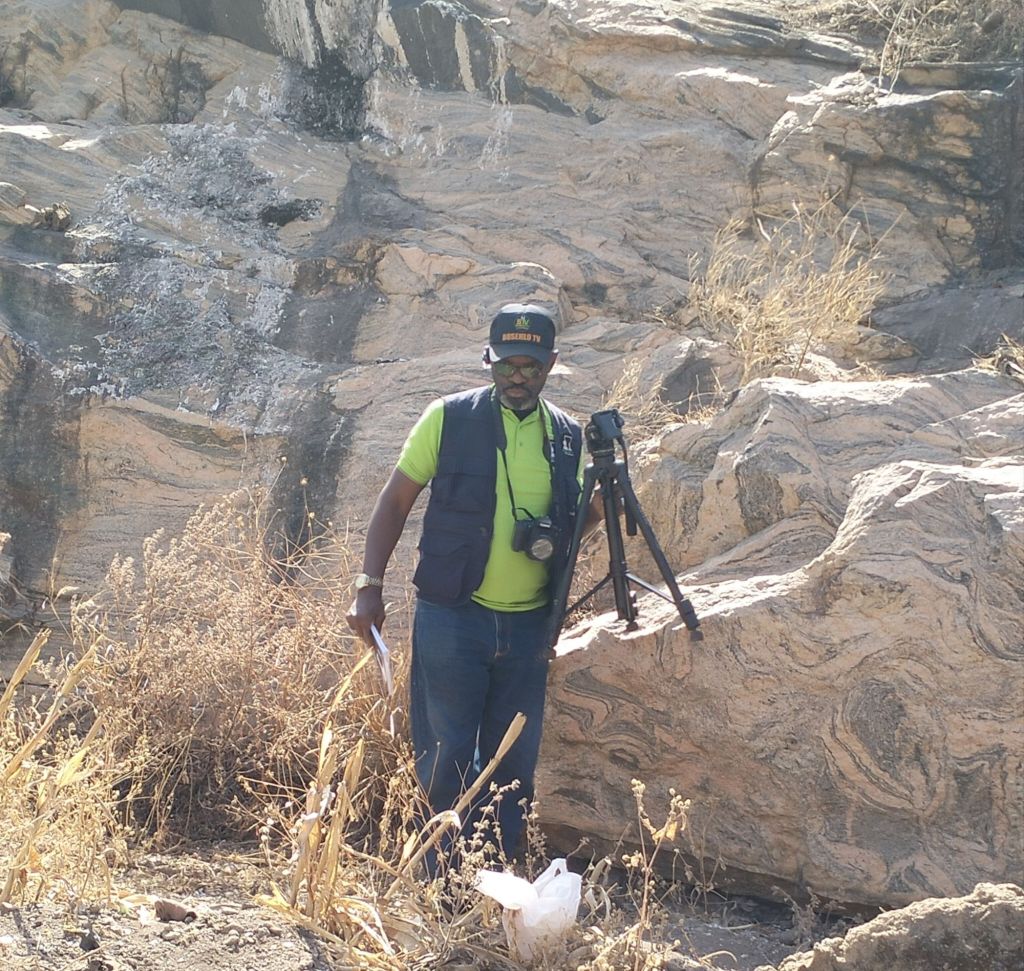
About the Author
Comrade AbdulHakeem Mutiu Adejumọ (Ajẹṣẹku) is a distinguished science, environmental, and investigative journalist with BTV Climate Reporters and African Climate Reporters. He is also a member of the African Institute of Waste Management and Environmental Studies (AIWMES), a practicing farmer, and entrepreneur.
With expertise in reporting on science, environmental, and safety issues, he has established himself as a leading voice in Nigerian journalism, earning numerous commendations and awards for his impactful reporting.
About BTV Climate Reporters
BTV Climate Reporters is a premier science, environmental, and investigative journalism platform in Nigeria, dedicated to advancing climate action, sustainability, and environmental stewardship.
Through in-depth reporting, analysis, and storytelling, the platform provides critical perspectives on pressing science, environmental, and safety issues, promoting informed decision-making, accountability, and transparency. BTV Climate Reporters has become a trusted source of information and a catalyst for positive change.
Contact Information
Mobile Numbers: +2348057278252, +2348082000298, +2348186974277, +2348065980566
Emails: btvnews.com@gmail.com; abdulhakeem.ajeseku002@gmail.com
 BTvNEWS
Leave a comment