By AbdulHakeem Mutiu Adejumo-Ajeseku, Kaduna
Empirical Research: The Backbone of Effective Environmental Journalism…
BosenloTvNEWS: Empirical research plays a vital role in environmental journalism, as it involves systematic observation, data collection, and analysis to understand the complexities of environmental issues and the impact of journalism on public opinion and policy. This type of research enables scholars and practitioners to uncover the truth about environmental journalism, its challenges, and its effects on society.
In the context of environmental journalism, empirical research can take various forms, including content analysis, survey research, case studies, experimental research, and comparative analysis. These methods allow researchers to examine the frequency and quality of environmental coverage in media outlets, the perceptions and challenges of environmental journalists, and the impact of investigative reporting on government policy and public awareness.
To conduct empirical research in environmental journalism, researchers can employ a range of methods, such as analyzing environmental news stories and editorials, collecting data from journalists and policymakers, and conducting in-depth analysis of specific environmental issues or news coverage. Additionally, researchers can utilize various data sources, including newspaper archives, journalist surveys, government reports, NGO data, and social media analytics.
By leveraging these methods and data sources, empirical research can provide valuable insights into the world of environmental journalism, shedding light on the challenges faced by environmental journalists, the impact of environmental news on public opinion, and the role of journalism in shaping environmental policy. Ultimately, empirical research has the power to inform and improve environmental journalism, enabling scholars and practitioners to make data-driven decisions and promote more effective environmental storytelling.
The importance of empirical research in environmental journalism cannot be overstated, as it has the potential to drive positive change and promote sustainability. By uncovering the truth about environmental issues and the impact of journalism, empirical research can inspire action, raise awareness, and foster a more informed and engaged public.
In Nigeria, empirical research in environmental journalism is particularly crucial, given the country’s unique environmental challenges and the need for effective environmental reporting. By conducting empirical research, scholars and practitioners can gain a deeper understanding of environmental journalism in Nigeria, its challenges, and its impact on public opinion and policy.
Bosenlo TV (BTV) Climate Reporters, a leading environmental and investigative journalism platform in Nigeria, recognizes the importance of empirical research in environmental journalism. As a pioneer in this field, Bosenlo TV (BTV) Climate Reporters is committed to promoting empirical research and data-driven storytelling, with the goal of informing and engaging the public on critical environmental issues.
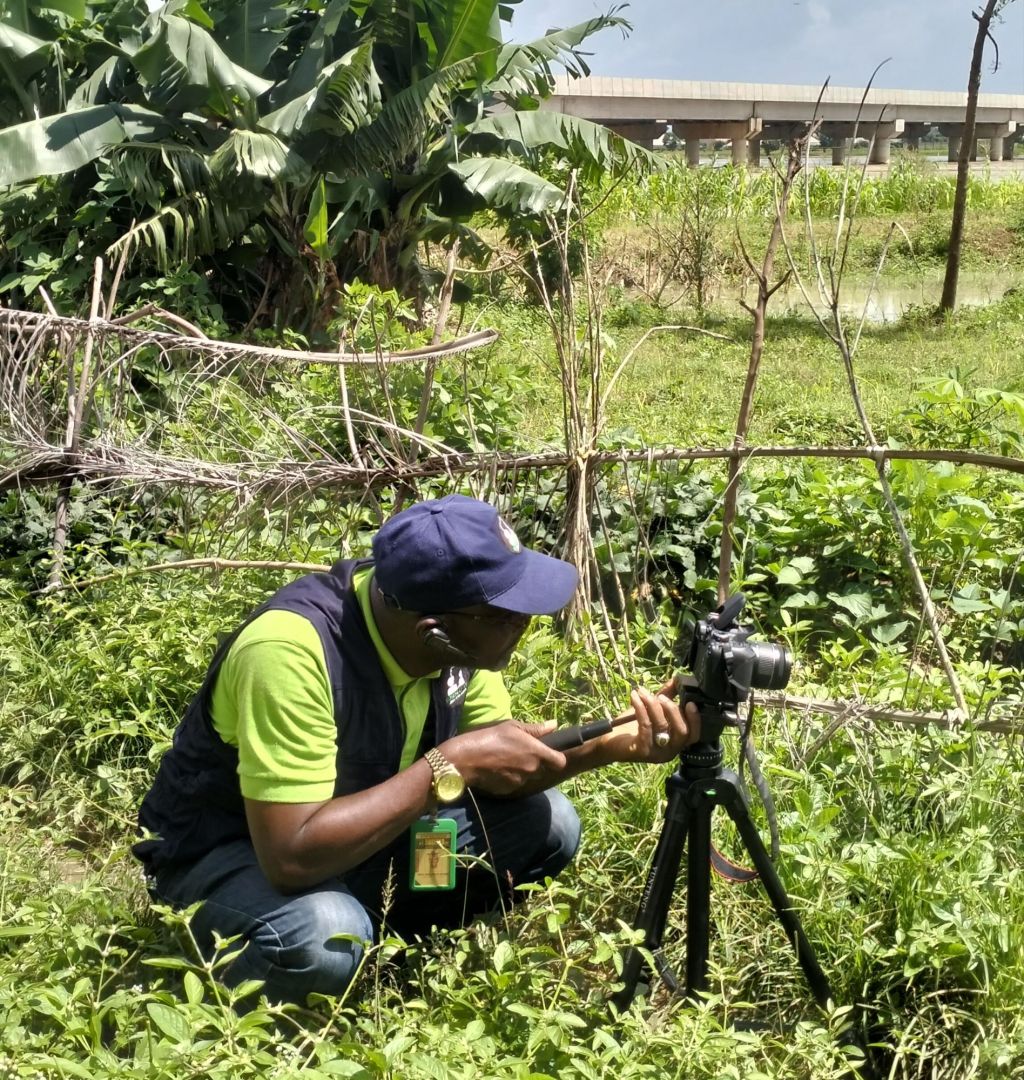
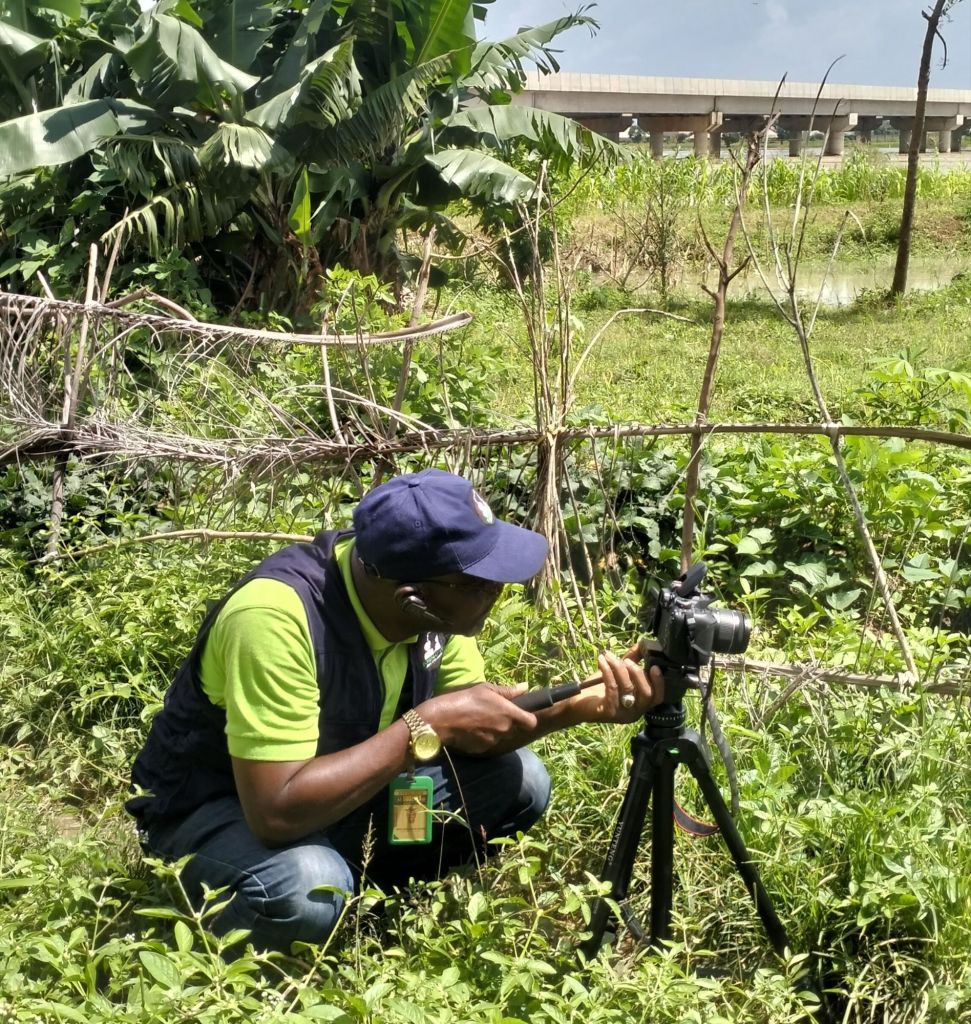
Comrade AbdulHakeem Mutiu Adejumo-Ajeseku, an environmental and investigative journalist with Bosenlo TV (BTV) Climate Reporters, emphasizes the significance of empirical research in environmental journalism. Through his work, he seeks to uncover the truth about environmental issues and promote more effective environmental storytelling, inspiring action and driving positive change in Nigeria and beyond.
In conclusion, empirical research is a powerful tool in environmental journalism, enabling scholars and practitioners to uncover the truth about environmental issues and promote more effective environmental storytelling. By leveraging empirical research, we can drive positive change, raise awareness, and foster a more informed and engaged public, ultimately promoting a more sustainable future for all.
 BTvNEWS
Leave a comment