By AbdulHakeem Mutiu Adejumo-Ajeseku, Abuja
Uniting Against Climate Change: Nigeria’s Path To Sustainability…
BTvNEWS: Abuja, Nigeria – Climate change is ravaging Nigeria, with rising temperatures, changing rainfall patterns, and increased frequency of extreme weather events threatening the country’s food security, economic stability, and environmental sustainability. The latest data from the Nigerian Meteorological Agency reveals a 30% increase in temperature over the past decade, with devastating consequences for agriculture, health, and infrastructure.
The Power of Roundtable Deliberations
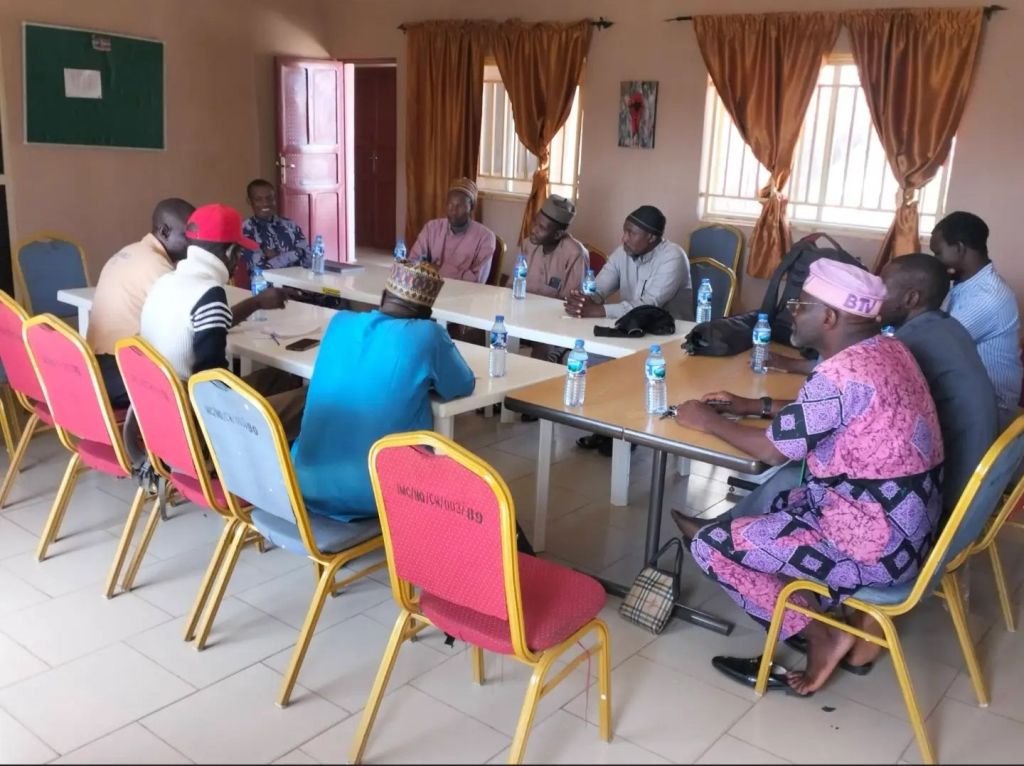
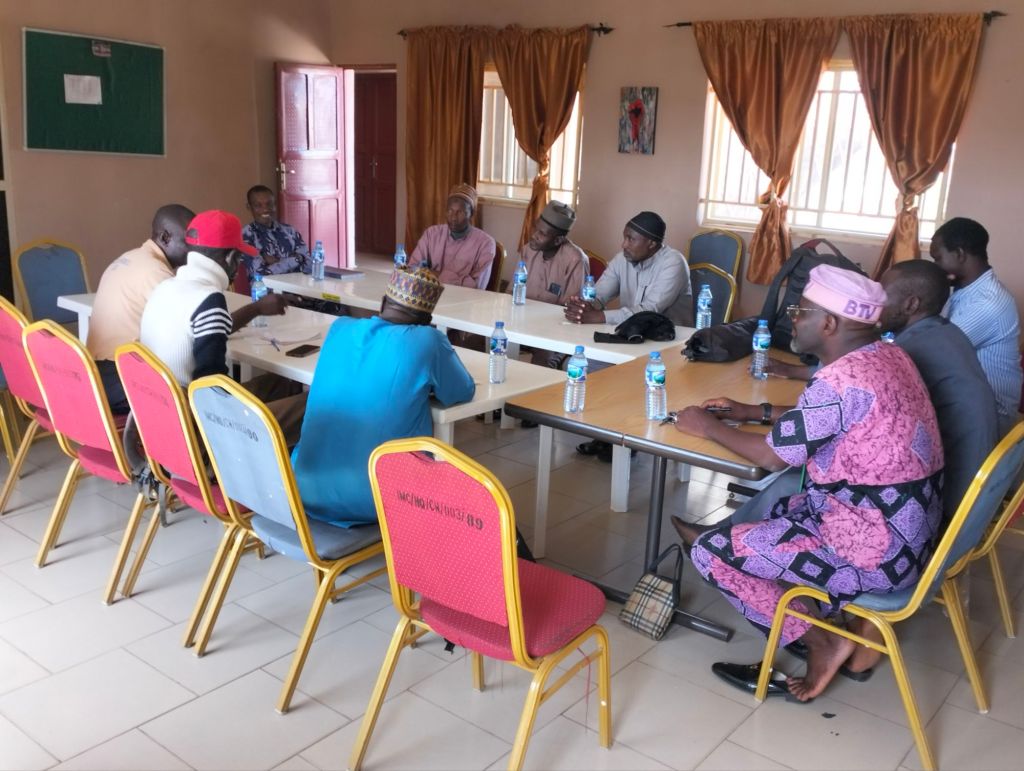
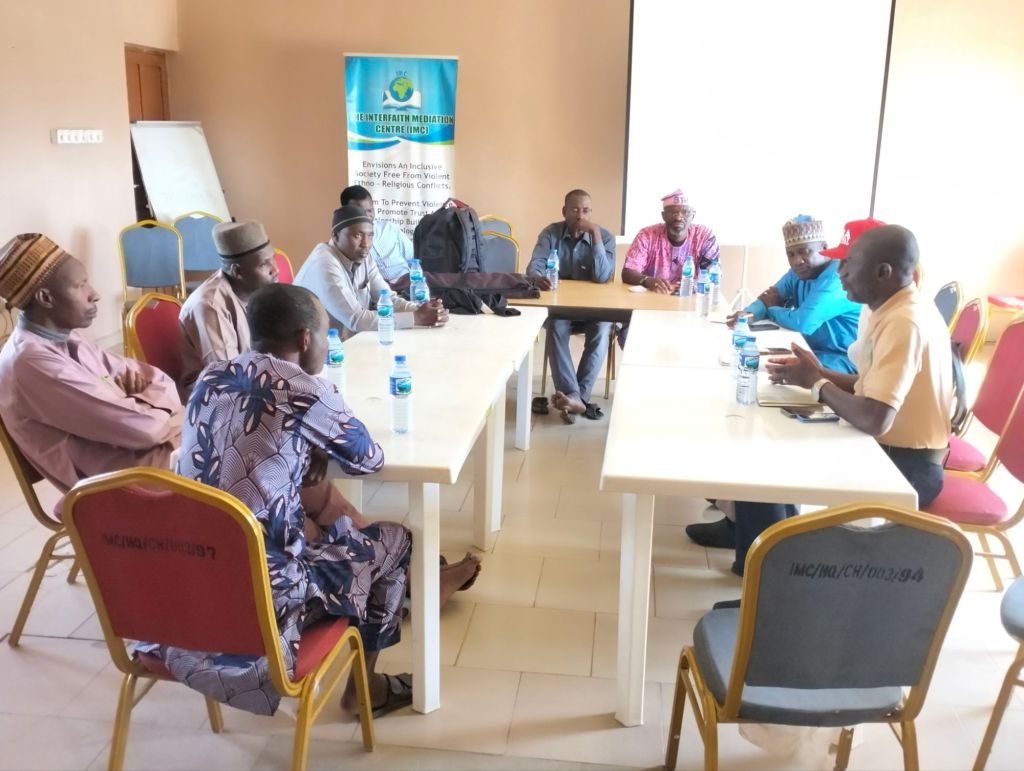
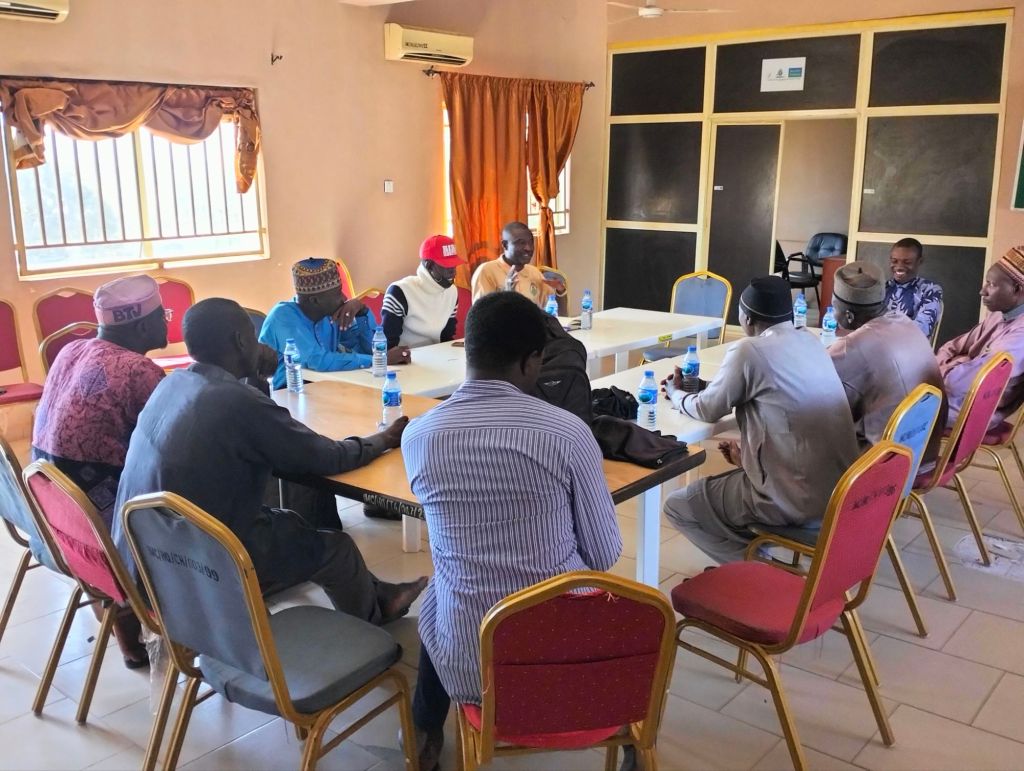
To address these challenges, it is imperative that stakeholders from various sectors come together to share knowledge, expertise, and experiences. A routine roundtable deliberation consisting of scientists, environmental experts, farmers, and government representatives is crucial for strengthening climate action in Nigeria.
Benefits of Roundtable Deliberations
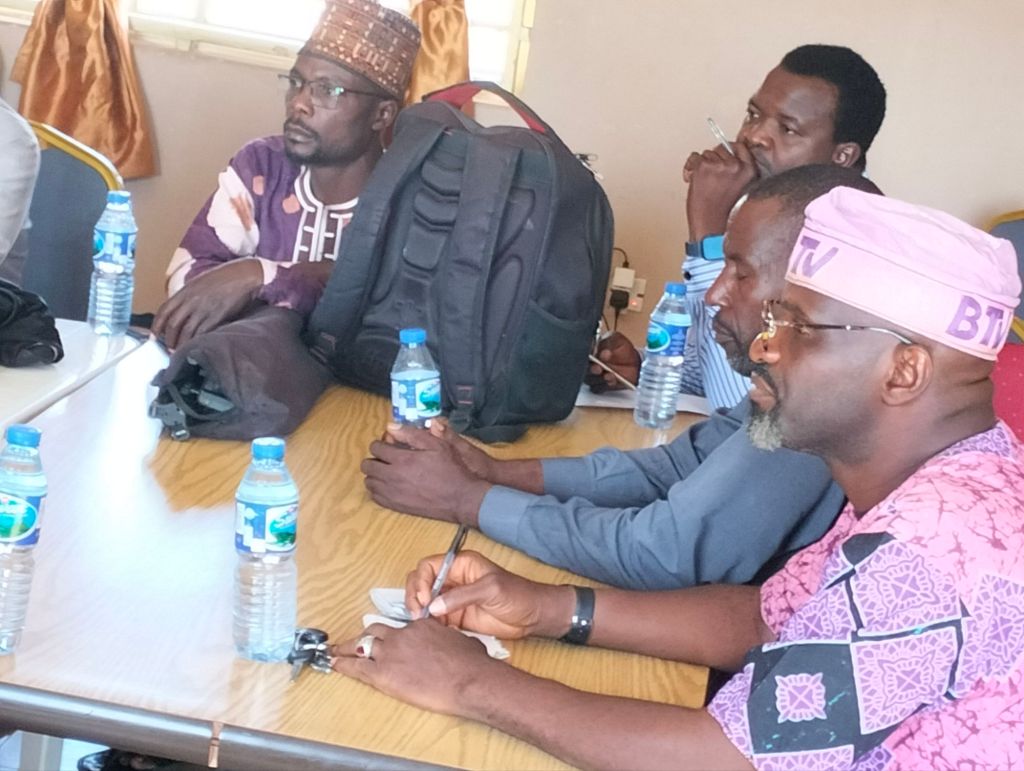
- Knowledge Sharing: Scientists and environmental experts can share their research findings and expertise on climate change, its impacts, and adaptation strategies.
- Practical Insights: Farmers can provide practical insights into the challenges they face due to climate change and suggest practical solutions.
- Policy Formulation: Government representatives can share their policy initiatives and plans to address climate change, while also learning from the experiences of other stakeholders.
- Collaboration and Coordination: Roundtable deliberations can foster collaboration and coordination among stakeholders, leading to more effective climate action.
The Way Forward
To establish a routine roundtable deliberation, the following steps can be taken:
- Identify Stakeholders: Identify key stakeholders from the scientific community, environmental organizations, farming associations, and government agencies.
- Set Clear Objectives: Set clear objectives for the roundtable deliberations, such as sharing knowledge, identifying challenges, and developing solutions.
- Establish a Regular Schedule: Establish a regular schedule for the roundtable deliberations, such as quarterly or bi-annually.
- Encourage Active Participation: Encourage active participation from all stakeholders, ensuring that every voice is heard and every concern is addressed.
Conclusion
A routine roundtable deliberation consisting of scientists, environmental experts, farmers, and government representatives is essential for strengthening climate action in Nigeria. By sharing knowledge, expertise, and experiences, stakeholders can develop effective solutions to address the challenges of climate change. It is time for Nigeria to take proactive steps towards a sustainable future, and roundtable deliberations are a crucial step in that direction.
Call to Action
We urge the Nigerian government, civil society organizations, and private sector entities to support the establishment of routine roundtable deliberations on climate change. Together, we can build a sustainable future for Nigeria.
About the Author
Comrade AbdulHakeem Mutiu Adejumo-Ajeseku is an environmental and investigative journalist with Bosenlo TV (BTV) Climate Reporters, Abuja. He has reported extensively on environmental issues in Nigeria and has received several awards for his work.
About Bosenlo TV (BTV) Climate Reporters
Bosenlo TV (BTV) Climate Reporters is a leading environmental and investigative journalism platform in Nigeria, dedicated to promoting climate action and sustainability.


 BTvNEWS
Leave a comment