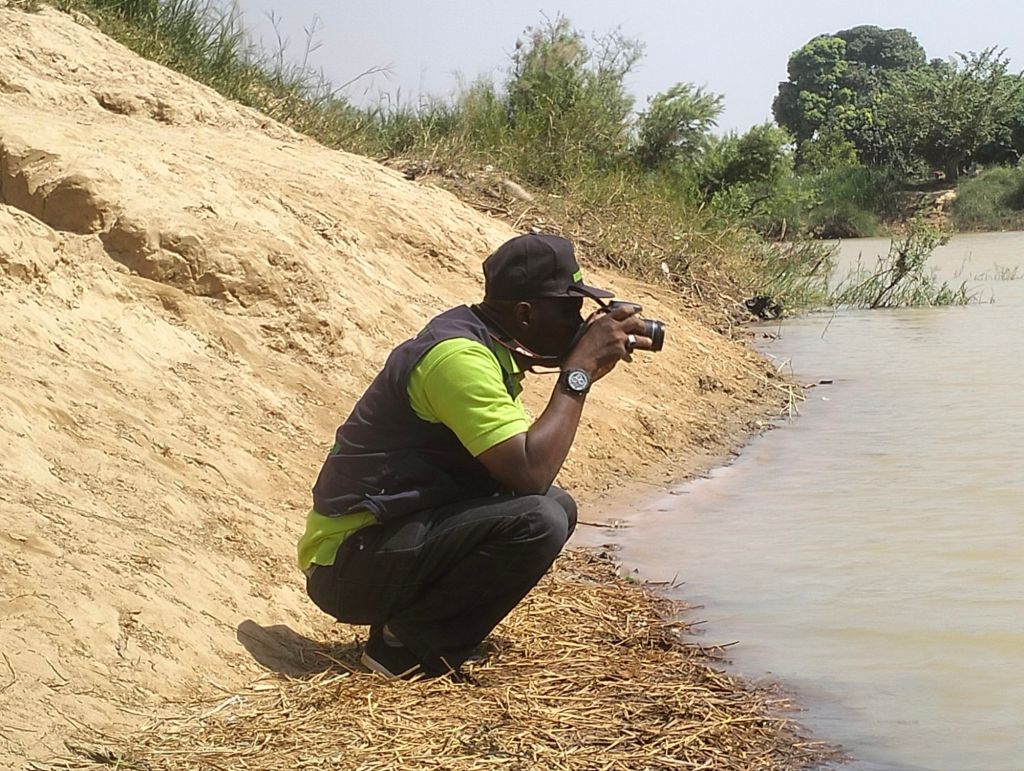
By AbdulHakeem Mutiu Adejumo-Ajeseku, Abuja
Aquatic Extinction: A Looming Catastrophe For Our Society…
BosenloTvNEWS: The world’s aquatic ecosystems are facing an unprecedented crisis, with thousands of species of fish, plants, and other aquatic organisms threatened with extinction. This alarming trend has severe implications for our society, affecting not only the health of our planet but also the livelihoods of millions of people who depend on aquatic resources for their survival.
Aquatic extinction is a complex issue, driven by a combination of factors including habitat destruction, pollution, overfishing, climate change, and invasive species. The consequences of inaction will be catastrophic, with far-reaching impacts on the environment, human health, and the economy.
One of the most significant effects of aquatic extinction is the loss of biodiversity. Aquatic ecosystems are among the most diverse on the planet, providing habitat for a vast array of species that are found nowhere else. The loss of these species will not only diminish the beauty and wonder of our planet but also compromise the health and resilience of aquatic ecosystems.
Aquatic extinction also has severe implications for human health. Many aquatic species, such as fish and shellfish, are important sources of protein and nutrients for millions of people around the world. The loss of these species will not only compromise food security but also exacerbate malnutrition and related health problems.
Furthermore, aquatic extinction has significant economic implications. Aquatic ecosystems provide a range of ecosystem services, including water filtration, coastal protection, and tourism, which are essential for the livelihoods of millions of people. The loss of these ecosystems will not only compromise economic development but also exacerbate poverty and inequality.
So, what can be done to prevent aquatic extinction and promote the conservation of aquatic ecosystems? Firstly, governments must take a proactive approach to addressing this issue. This can involve implementing policies and regulations that protect aquatic habitats, prevent pollution, and promote sustainable fishing practices.
Secondly, communities and stakeholders must be educated on the importance of aquatic conservation. This can involve awareness-raising campaigns, education programs, and community-based initiatives that promote the value of aquatic ecosystems and the importance of conservation.
Thirdly, research and development must be prioritized to identify innovative solutions to aquatic extinction. This can involve the development of new technologies, such as marine protected areas and sustainable aquaculture practices, that reduce the impact of human activities on aquatic ecosystems.
Finally, it is essential that we adopt a holistic approach to addressing aquatic extinction. This involves recognizing the intricate relationships between aquatic ecosystems, human health, and the economy. By adopting a systems-thinking approach, we can develop solutions that address the root causes of aquatic extinction, rather than just its symptoms.
In conclusion, aquatic extinction is a pressing issue that requires immediate attention and action. The consequences of inaction will be catastrophic, with far-reaching impacts on the environment, human health, and the economy. We call on governments, communities, and stakeholders to take a proactive approach to addressing this issue and promoting the conservation of aquatic ecosystems.
A Call to Action
We call on the Nigerian government to take immediate action to address aquatic extinction. This can involve:
- Implementing policies and regulations that protect aquatic habitats and prevent pollution
- Providing education and awareness-raising programs that promote the importance of aquatic conservation
- Investing in research and development initiatives that identify innovative solutions to aquatic extinction
- Adopting a holistic approach to addressing aquatic extinction, recognizing the intricate relationships between aquatic ecosystems, human health, and the economy
We also call on communities, stakeholders, and individuals to take action to prevent aquatic extinction. This can involve:
- Supporting conservation efforts and protecting aquatic habitats
- Reducing pollution and promoting sustainable practices
- Promoting education and awareness-raising programs that highlight the importance of aquatic conservation
- Supporting research and development initiatives that identify innovative solutions to aquatic extinction
Together, we can make a difference and prevent the extinction of aquatic species. The future of our planet depends on it.
Author:
Comrade AbdulHakeem Mutiu Adejumo-Ajeseku, an environmental and investigative journalist of
Bosenlo TV (BTV) Climate Reporters
About Bosenlo TV (BTV) Climate Reporters:
Bosenlo TV (BTV) Climate Reporters is a leading environmental and investigative journalism platform in Nigeria.
 BTvNEWS
Leave a comment