By AbdulHakeem Mutiu Adejumo-Ajeseku, Kaduna
The Interconnected World Of Humans, Animals, And Aquatics: Exploring Health, Cultural, Environmental, And Economic Significance…
BosenloTvNEWS: The Web of Life: Human-Animal-Aquatic Interconnections
For centuries, humans have shared the planet with animals and aquatics, forging complex relationships that shape our health, culture, environment, and economy. This intricate web of life is vital to our collective well-being, yet faces unprecedented threats.
Health Significance: Zoonotic Diseases and Mental Health Benefits
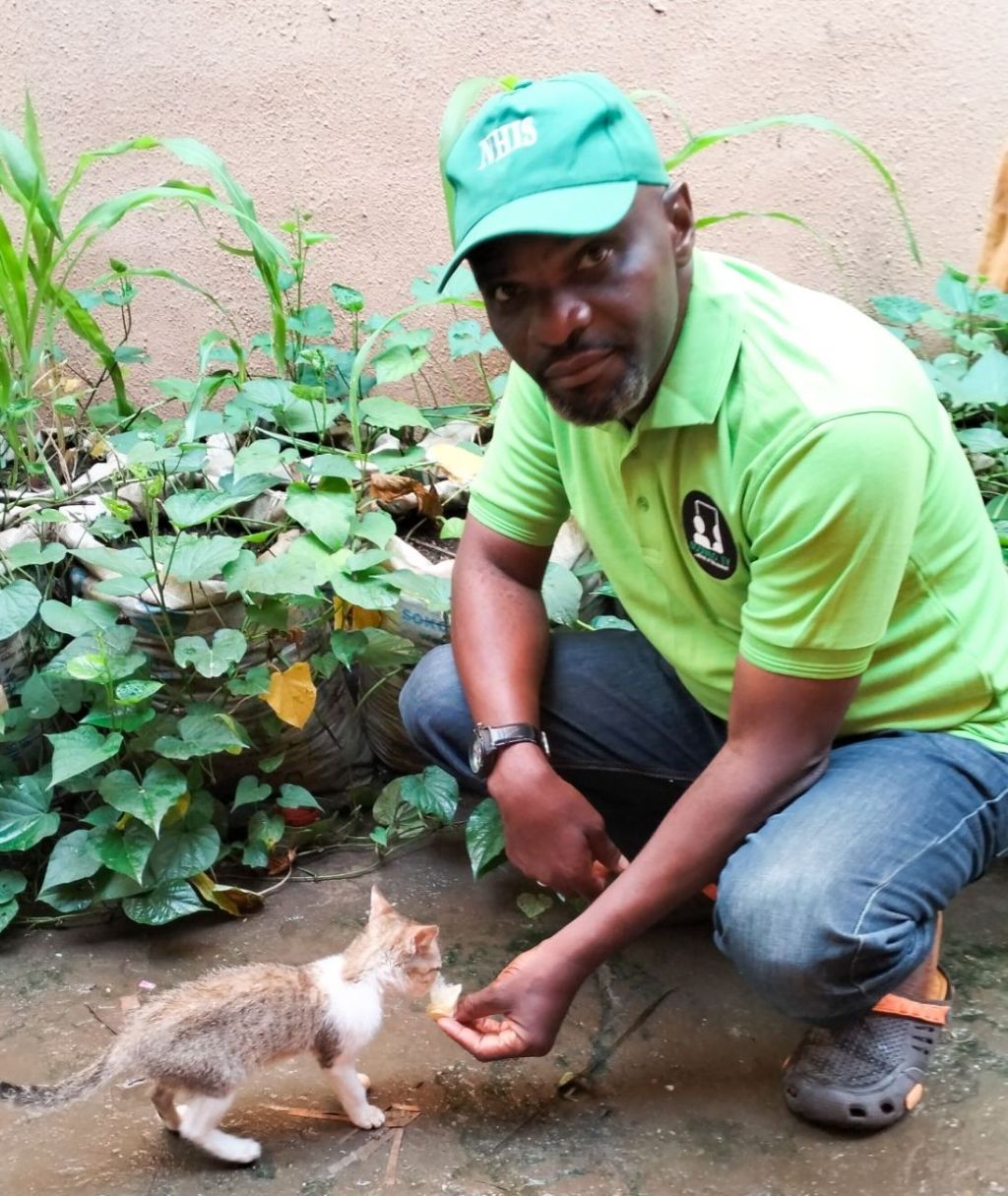
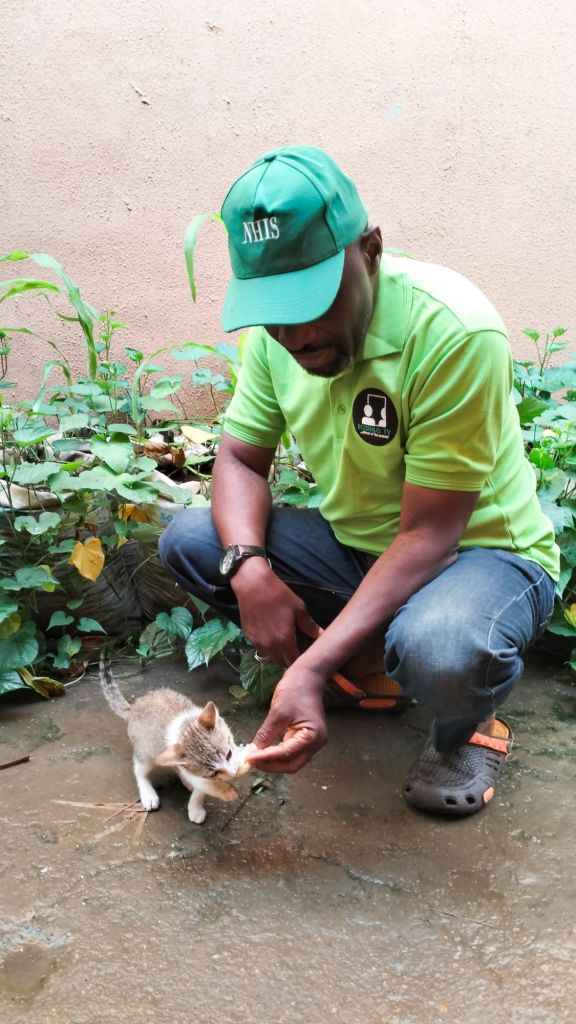
Zoonotic diseases like COVID-19 and Ebola highlight the delicate balance between human and animal health. Animal-assisted therapy and aquatic sources of medicinal resources, such as coral reefs, demonstrate the potential benefits of human-animal-aquatic interactions.
Cultural Heritage: Traditional Livestock Keeping and Aquatic Folklore
Traditional livestock keeping and pastoralism are integral to many cultures, providing sustenance and identity. Aquatic folklore and mythology, like mermaids and sea serpents, enrich our cultural diversity.
Environmental Imperative: Biodiversity Conservation and Climate Action
Human activities threaten biodiversity, with climate change exacerbating habitat destruction and species extinction. Sustainable livestock and fisheries management, ecological restoration, and wildlife conservation efforts are critical.
Economic Opportunities: Sustainable Livestock and Fisheries Management
Livestock and fisheries industries contribute significantly to national economies. Ecotourism and wildlife tourism offer alternative revenue streams, while climate-resilient agriculture and aquaculture practices ensure food security.
Threats and Challenges: Habitat Destruction and Climate-Induced Conflicts
Habitat destruction, overhunting, and overfishing imperil human-animal-aquatic relationships. Climate change induces conflicts over resources, underscoring the need for sustainable livelihoods and human-wildlife conflict mitigation strategies.
Call to Action: Government, Communities, and Individuals
To safeguard our interconnected world, we urge:
- Government: policy reforms, conservation efforts, education, and international cooperation
- Communities: traditional practices, sustainable livelihoods, awareness, and eco-friendly choices
- Individuals: responsible consumption, advocacy, and support for conservation initiatives
Conclusion: Collective Action for Sustainable Coexistence
The intricate web of life binding humans, animals, and aquatics demands collective action. We must prioritize sustainable coexistence, preserving cultural heritage, promoting ecological restoration, and ensuring economic opportunities.
Recommendations
- Policy reforms and legislation to protect biodiversity and promote sustainable livelihoods
- Community-based conservation initiatives and education programs
- Research and development priorities for climate-resilient agriculture and aquaculture
- International cooperation and agreements to address wildlife trafficking and poaching
FOLLOW US: BOSENLO TV (BTV) CLIMATE REPORTERS on Twitter (X), Facebook, WhatsApp, YouTube, Instagram and LinkedIn for more environmental and investigative reports.
A leading environmental and investigative journalism platform in Nigeria.
 BTvNEWS
Leave a comment