By AbdulHakeem Mutiu Adejumo-Ajeseku, Abuja
The Power of Environmental Journalism…
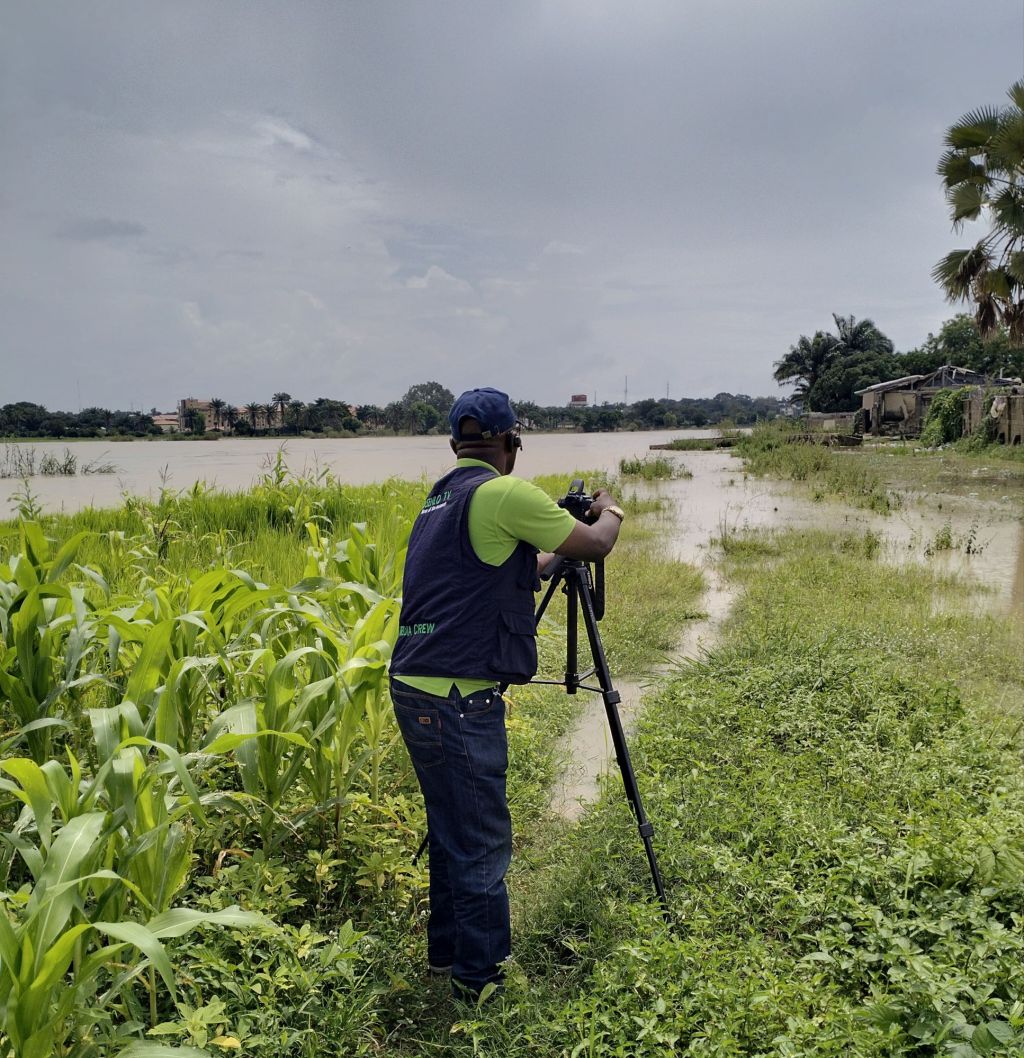
BTvNEWS: As Nigeria contends with devastating environmental challenges, journalists play a vital role in raising awareness and sparking action. Effective environmental reporting can educate, engage, and inspire Nigerians to take action.
Challenges Facing Environmental Journalists
Environmental journalism in Nigeria faces significant obstacles:
- Limited resources
- Lack of expertise
- Censorship
Nigeria’s Environmental Hotspots
Nigeria is plagued by:
- Desertification and land degradation
- Oil pollution in the Niger Delta
- Deforestation and wildlife extinction
- Climate change and its impacts
- Water scarcity and pollution
- Waste management and plastic pollution
Effective Environmental Storytelling
To effectively cover environmental stories, journalists should:
- Develop expertise in environmental issues
- Conduct thorough research and investigations
- Interview diverse sources
- Use compelling storytelling techniques
The Role of Government in Environmental Protection
The Nigerian government must:
- Enact and enforce environmental regulations
- Provide funding for conservation efforts
- Support climate change mitigation and adaptation
- Promote sustainable development
- Ensure transparency and accountability
Community-Led Environmental Initiatives
Communities play a crucial role in:
- Local conservation efforts
- Sustainable livelihoods
- Climate resilience projects
- Advocacy and activism
- Education and awareness programs
Collaboration and Investigative Journalism
Journalists should:
- Partner with communities to amplify local voices
- Expose corruption and environmental degradation through investigative journalism
Digital Tools for Environmental Journalism
Journalists can leverage:
- Data visualization
- Social media engagement
- Online mapping
- Crowdsourcing
- Podcasting
Safety Concerns and Protection
Environmental journalists often face:
- Intimidation and harassment
- Censorship and suppression
- Physical harm and violence
Capacity Building for Environmental Journalists
Training programs, workshops, and fellowships can enhance journalists’ skills.
International Best Practices
Nigerian journalists can draw inspiration from global environmental reporting standards.
The Impact of Environmental Journalism
Effective environmental journalism can:
- Raise awareness
- Inspire action
- Hold policymakers accountable
- Promote sustainable development
The Role of Media Organizations
Media organizations should:
- Prioritize environmental reporting
- Provide resources and training
- Encourage investigative journalism
Community Engagement and Participation
Communities should:
- Participate in environmental decision-making
- Engage with journalists and policymakers
- Demand accountability
Government Accountability and Transparency
The government must:
- Ensure transparency in environmental decision-making
- Provide access to information
- Hold officials accountable
International Collaboration and Knowledge Sharing
Nigerian journalists can benefit from
- International partnerships
- Knowledge sharing
- Collaborative reporting
Conclusion
Effective environmental journalism in Nigeria requires collaboration, expertise, and courage.
The Time to Act is Now
Join the conversation on environmental journalism in Nigeria.
Recommendations
- Increased funding for environmental reporting
- Training programs for journalists
- Community-led initiatives
- Government accountability and transparency
- International collaboration
BTV CLIMATE REPORTERS:
A leading science, environmental and investigative journalism platform in Nigeria.
 BTvNEWS
Leave a comment